12 Useful Ideas on How to Layer Lighting in a Living Room? Ambient, Task, Accent Lights Explained
 By Olivia Blaze
•
May 15, 2026
By Olivia Blaze
•
May 15, 2026
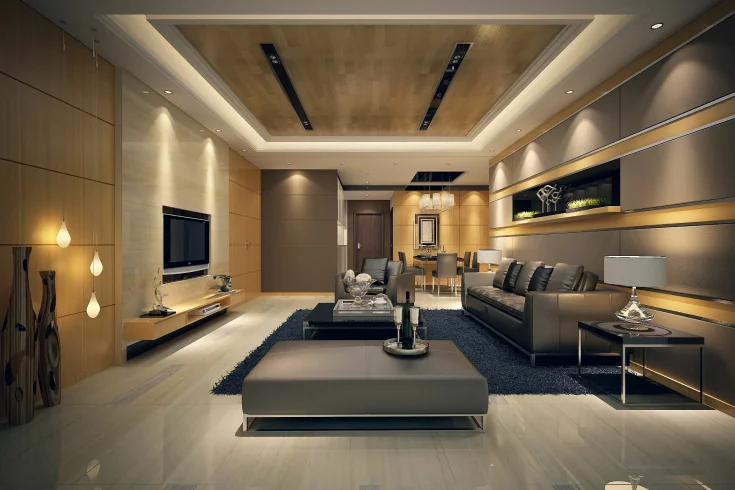
Living room lighting is crucial to elevate the design, set the ambiance, and enhance the functionality for activities like socializing and reading. Lights with dimming controls and temperature adjustment features provide bright light for ambiance and energy and dim light for a comforting and relaxing mood.
To align with your convenience at different times of the day, the most suitable setup is layering different sorts of lights for the living room design. Different lights are not only used to define distinct zones but also ensure productivity to suit individual needs for activities like reading and playing games. In this guide, you’ll learn about the layered lighting types, why it matters, and layered lighting living room ideas and techniques.
Before we move forward with how to layer lighting in a living room, let’s acknowledge what layered lighting means and what role it plays in interior design.
What Is Layered Lighting and Why Does It Matter?
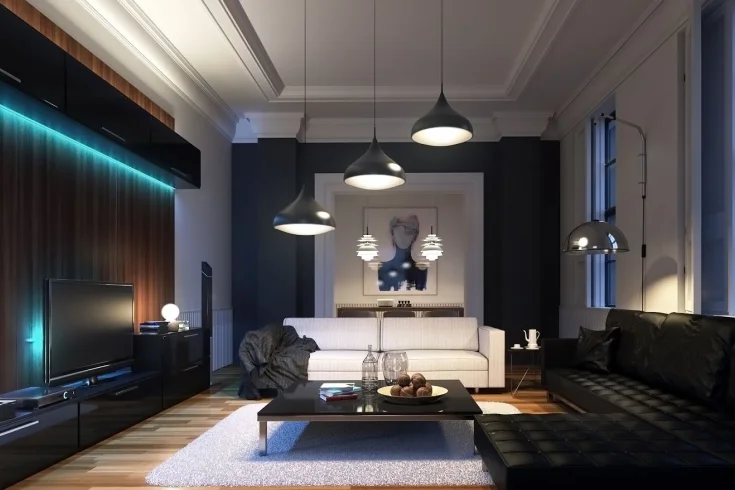
Layered living room lighting is an excellent interior design approach to combine multiple light sources like accent, task, and ambient, creating a functional, balanced, and atmospheric space rather than relying on a single fixture overhead.
To improve the overall well being, highlight the architectural details, and ensure design element cohesion, more than one light source is needed. Through different types of lights in living rooms, the environment can be customized for absolute comfort, entertainment, and relevant interactive activities like playing games and working together.
Types of Layered Lighting
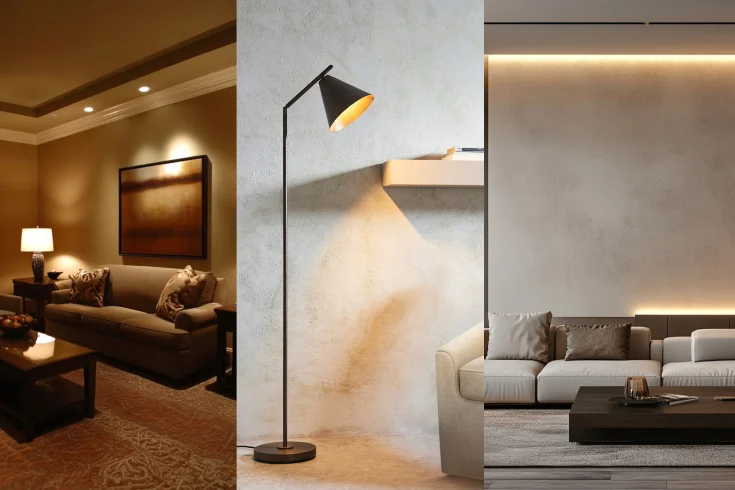
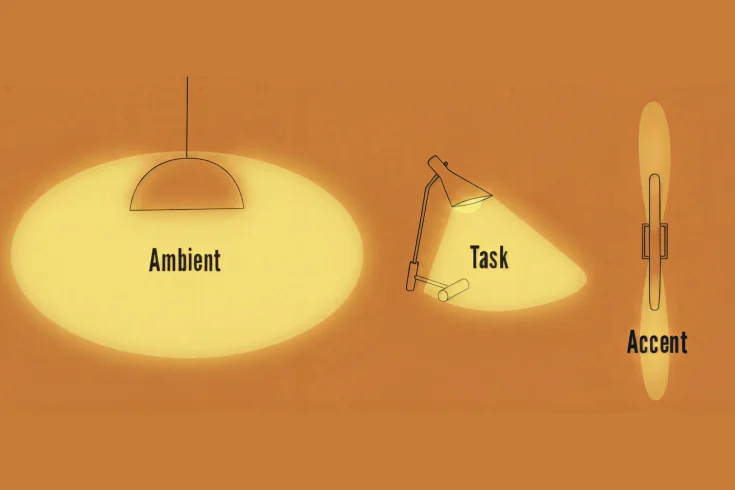
The lighting layers design guide is categorized into ambient, task, and accent styles. Let’s discuss three layer lighting living room types for large to small living room decors.
Layer 1: Ambient Lighting for Base
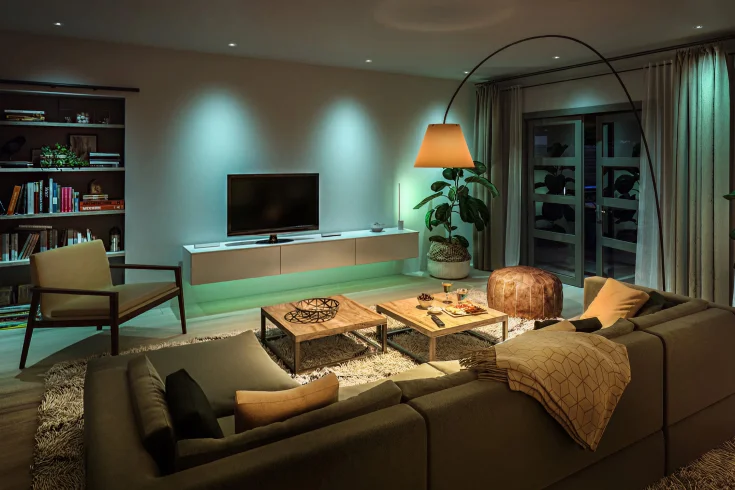
Ambient lighting is the foundation that provides general illumination to the entire room. This ambient lighting includes ceiling fixtures, chandeliers, flush mount, overhead fixtures, vintage, and recessed lighting that brightens the entire space.
Layer 2: Task Lighting for Function
Next up is functional and focused lighting, which is task oriented, specific for activities like reading, like sculptural pendant lights, and for working, like smart lighting and desk lamps. Also, floor lamps can be used for reading while sitting on your couch.
Layer 3: Accent Lighting for Decoration
Accent light is basically installed to highlight the details that create an appealing and luxury living room. This light highlights the features, artwork, and textural detailing. Options include picture lights, LED strips, wall sconces, spotlights, track lights, and glowing candles.
How to Create Lighting Zones in a Living Room?
Our layered lighting product recommendations are sculptural pendants, flush mounts, statement lamp shades, wall sconces, luxury chandeliers, vintage lighting, layered lighting ideas, glowing candles, floor lamps, overhead fixtures, table lamps, and smart lighting. Wondering how to layer lights in a room? Being a transformative tool in interior design, layering light can have a high impact.
The Conversation Zone
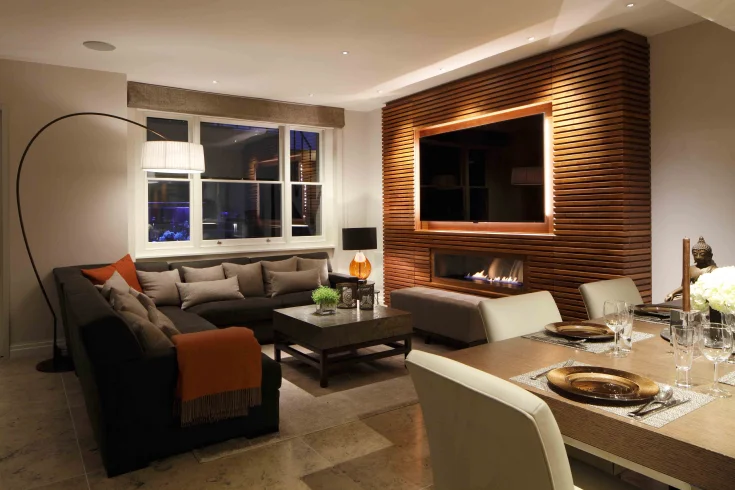
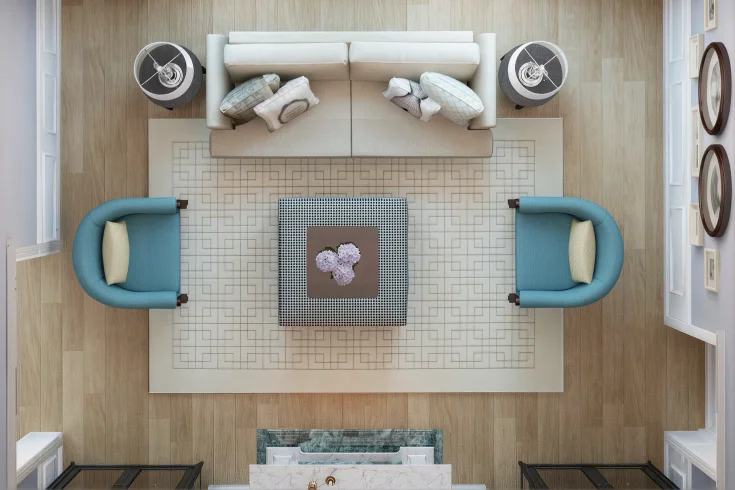
The main living room sofa, table, or chair area, anchoring rugs around a fireplace, is the ultimate conversation place. Table lamps and statement lamp shades at eye level encourage intimacy at conversational zones. Moreover, nothing beats the idea of low frequency flickering candles to make a conversation more private and relaxed.
The Task Zone
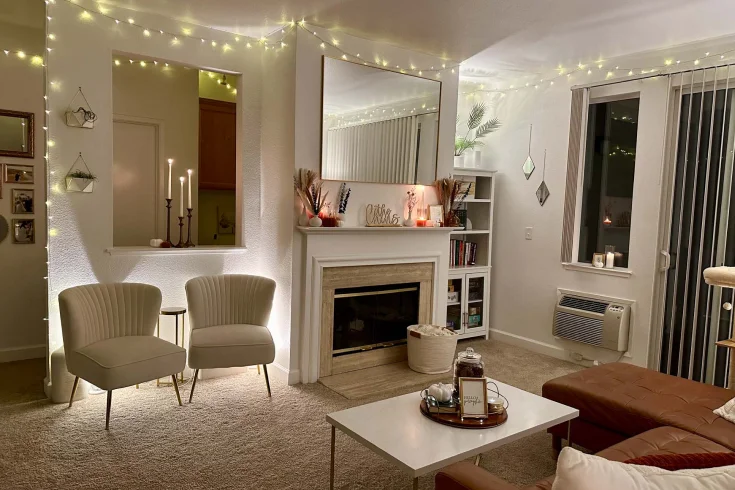
A dedicated space for reading, working, and gaming can be styled with smart lights, floor lamps, and overhead fixtures that direct the light exactly where you need it without cluttering your surface space. Think of placing floor lamps next to an armchair, end tables, console tables, or adjustable wall sconces behind seating.
The Accent Zone
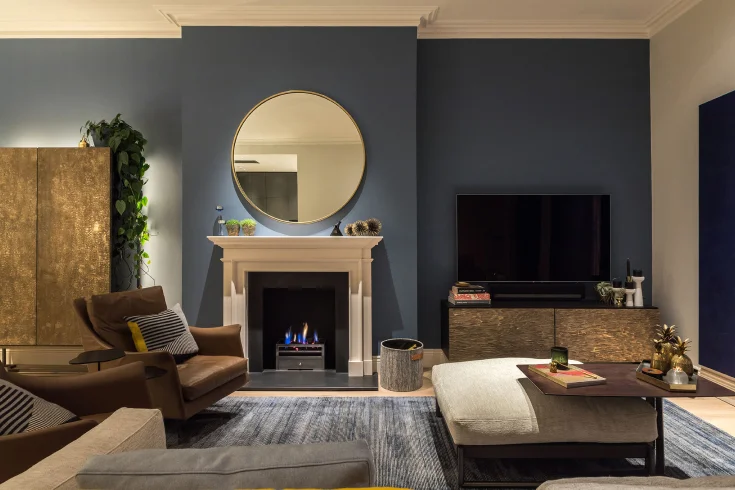
The accent zone features bookshelves, art, wall decor, and architectural features. This zone is about creating a dramatic place, and the best choices for this zone are wall sconces, sculptural pendants, and luxury chandeliers that help define the status of the space.
12 Creative Ideas to Layer Lighting in a Living Room
Being creative about light sources involves combining functional floor lamps, picture lights, and cove lighting for absolute depth and illuminating four corners for balance. Here are some purposeful and inspiring ideas to give your room a layered feel.
Use Dimmers
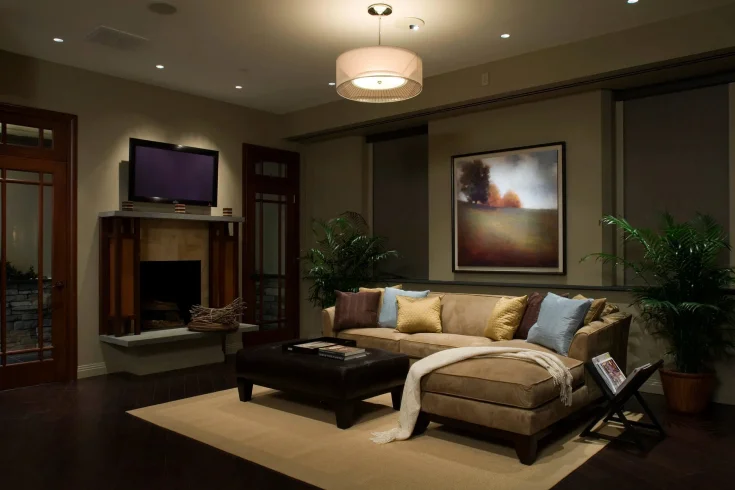
Curious how to get a cozy layered lighting effect in living room decor? Well, the role of dimmer switches in layered lighting is central and critical, offering complete control over the intensity of individual light sources to transform a dull and single space into a versatile one by creating scenes and defining entertaining and relaxing zones.
Go with the 5’7 Rule
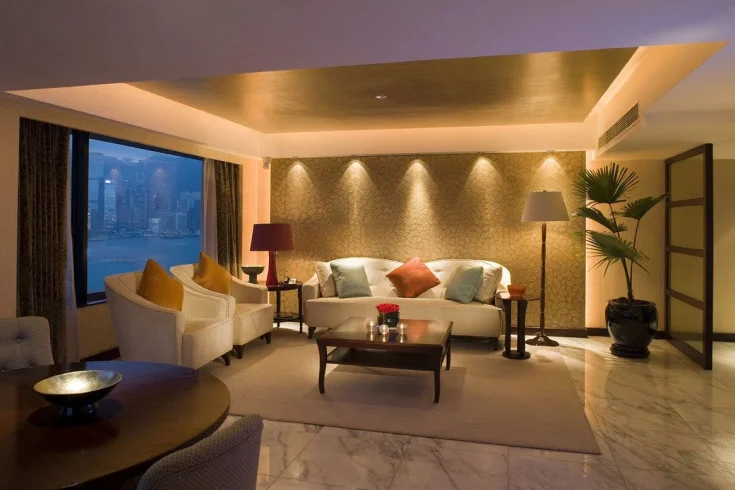
Opt for the 5 feet 7 inches rule for wall sconces or bulb placement above the floor to ensure the optimal eye level illumination. This 5 by 7 rule creates a perfectly balanced, functional, and cozy atmosphere while reducing harsh shadows and eliminating dark corners.
Mix Light Heights
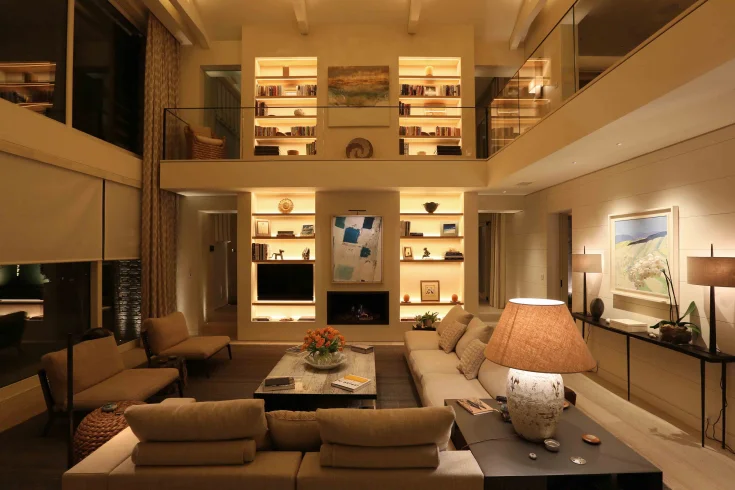
Layered heights are another aspect that matters for maintaining balance and creating an inviting atmosphere in a white living room. Rather than relying on a single large lighting fixture, try placing lighting at different levels, like the floor, ceiling, and walls.
Use Mirrors
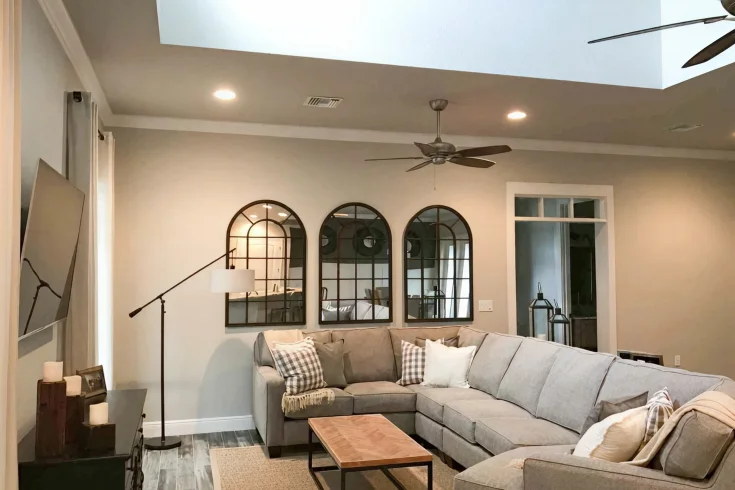
If you are wondering how to layer lighting in a living room without a ceiling fixture, invest in mirrors. For making a creative impact and giving an impression of a big space, mirrors are an excellent idea.
Choose Warm Temperatures
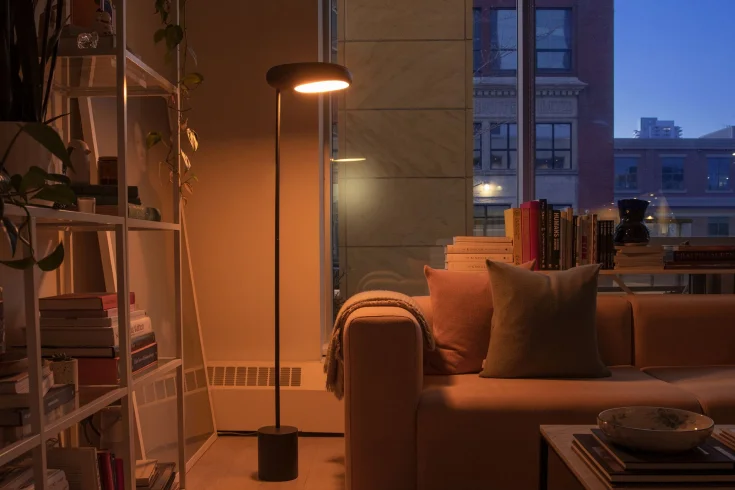
When the goal is a warm and cozy living room, choose warm temperatures for any type of light. Try having warm white bulbs (2700K-3000K) to make a space feel more inviting and absolutely cozy.
Let Natural Light Come
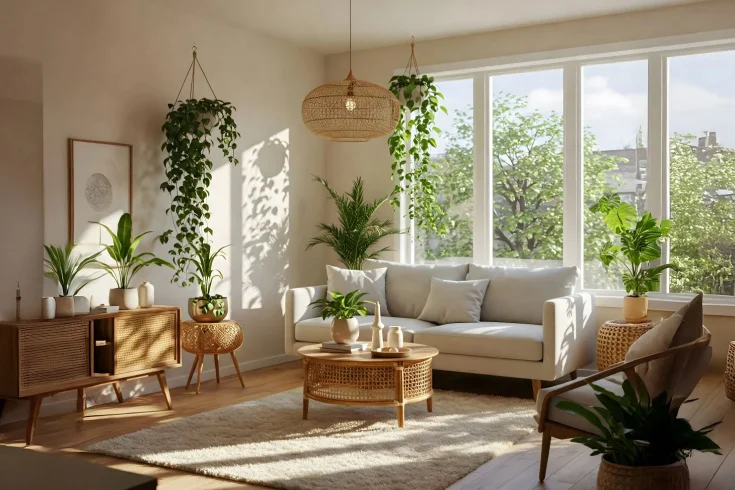
The best combination of lights for a layered living room look is letting natural light through windows and even the ceiling can brighten the whole room’s appearance. For a balanced arrangement and aesthetics, use solar shades or blinds and sheer curtains in living rooms to manage sunlight and privacy efficiently.
Mix Metal Finishes
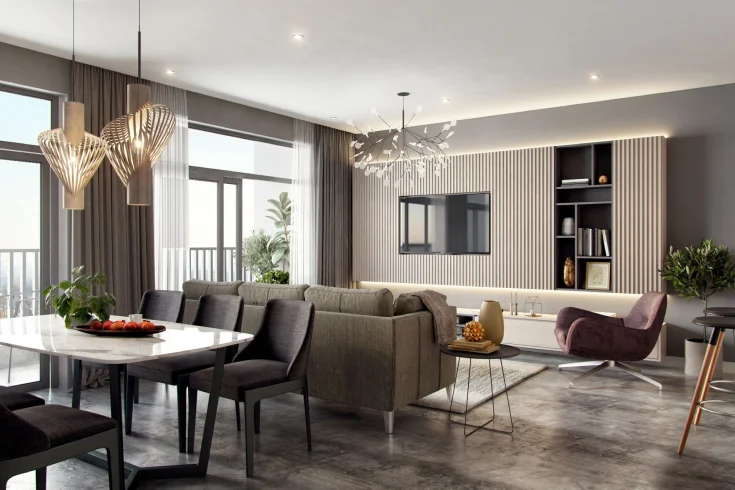
Combining chrome, matte black, and brass finishes across the fixture can give a more cohesive look. Rather than matching each and everything, try mixing metal with other finishes to add more depth.
Hide LED Strips
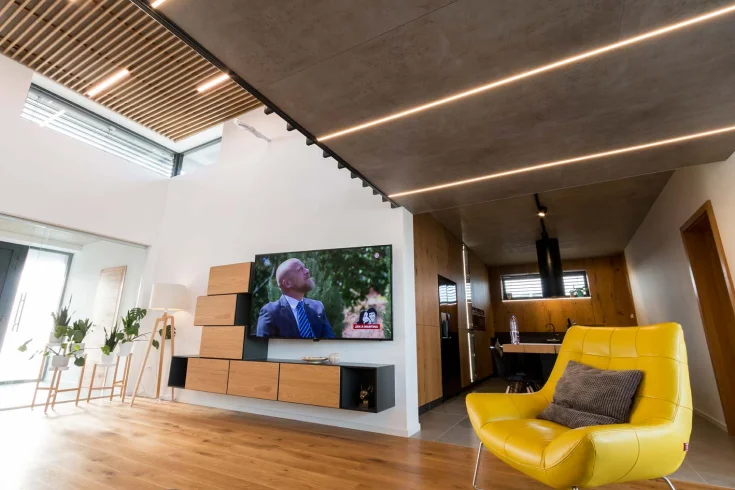
Although using LED strips is a good idea, to avoid direct glow, place them under shelves, behind TVs, in curtain valences, and in the false ceiling and crown molding to provide a soft, indirect, and modern glow with an aesthetic touch.
Contrast Light and Shadows
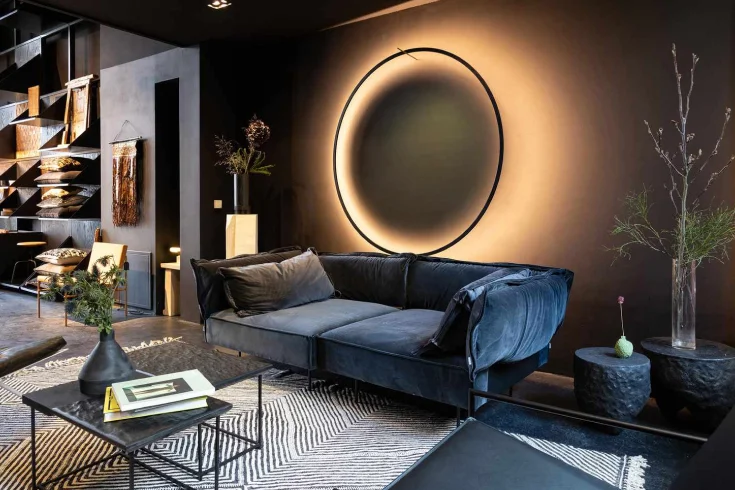
To make a wall art or textural detail stand out, try using accent lighting. Aim for the accent lighting to be roughly three times brighter than the surrounding ambient light for an ideal balance.
Combine Distinct Textures
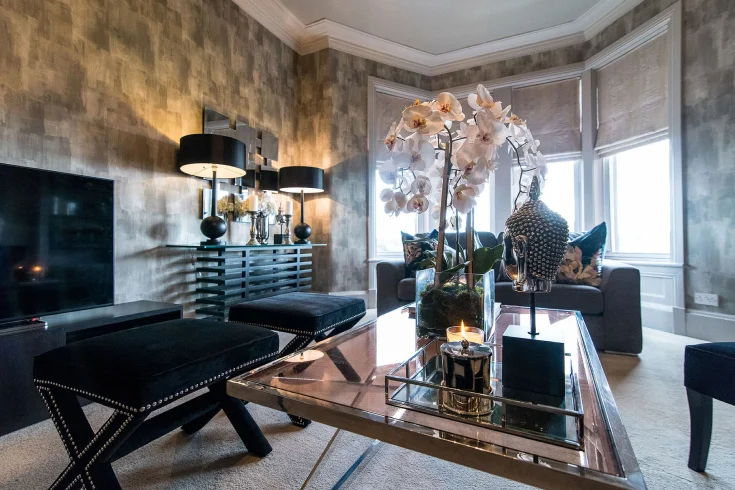
For visual interest, try using different shades and materials that draw attention. Go for materials like brass, gold, and acrylic, and things like pendants and chandeliers with linen shaded table lamps for minimal living room decorations.
Architectural Highlighting
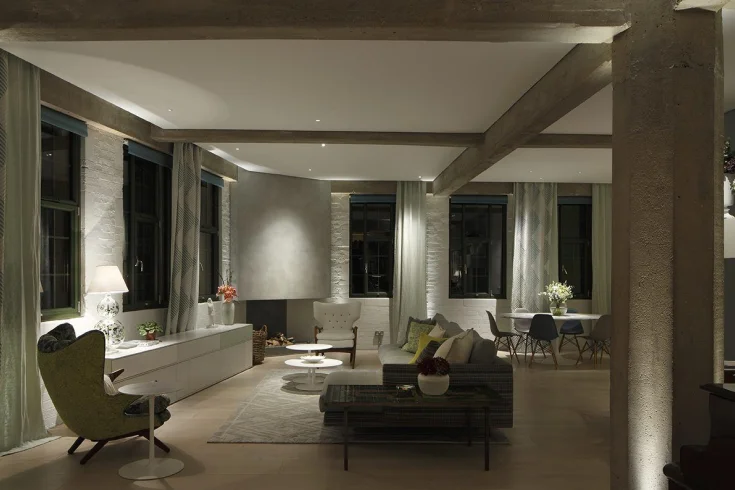
To reflect the light off the ceiling, wall style, and any statement piece, install spotlights or LED strips that cast the soft glow of indirect ambient lighting. Use wall grazing, cove lighting, and directional lighting to create the focal points on other features like alcoves, beams, fireplaces, and even indoor plants.
Layer Lighting On Budget
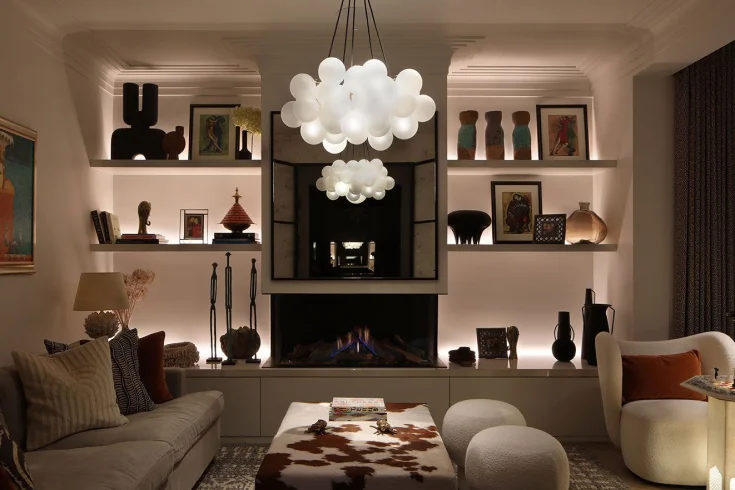
For how to layer lighting on a budget, opt for floor and table lamps, use smart bulbs, plug in wall sconces, easy fit shades, and add dimmer switches. Smart lighting for layered living room design includes LED string lights, voice control, temperature adjustment, dimmers, and anti glare options.
Understand the requirements and standards for the design of new or renovated interior lighting systems. The guideline covers system design requirements, lighting system components, and lighting controls.
Common Layered Lighting Mistakes to Avoid for Living Room Design
Make your space more practical and inviting by avoiding some common light mistakes.
Relying on a Single Light Source
Using only a pendant or recessed light can make a space feel flat and shadowy. To avoid making a space uninviting, combine multiple light fixtures for versatility and depth.
Ignoring Dimmers and Controls
Never ignore dimmers that allow the adjustment of light for different moods and times of the day. Install dimmer switches for main light sources for a scene change from working to relaxing.
Mixing Inconsistent Color Temperatures
Mixing cool bluish with warm yellowish in the same space is another bad practice that creates visual discord. Try sticking to only consistent Kelvin temperatures, like 27000k to 3000k.
Poor Fixture Placement
Improper installation and placement of lights can result in unwanted shadows and glares and insufficient lighting. For this, position task lights directly over work areas at eye level.
Learn about the lighting designs and techniques that transform the interior spaces into inviting environments. From layering light to optimizing brightness and contrast, experience effective interior lighting.
In a Summary
Bring about the most amazing change to your living spaces with the addition of statement lighting fixtures. Layering the lights sets the right mood and ambiance by combining task, accent, and ambient sources. One needs to be strategic when it comes to using multiple light fixtures at once under one roof. Combining multiple sources involves the use of fixtures like ceiling lights, lamps, lanterns, spotlights, LED strips, table side lamps, pendants, chandeliers, flush mounts, and recessed lights that add depth and absolute warmth to a space. Keep the light layering strategy in mind to ensure the balance of ambient task accent lighting in living room for perfect ambiance and light spread in the overall space.