Refined Living Room Design Ideas For Elegant Upgrades
 By Olivia Blaze
•
March 19, 2026
By Olivia Blaze
•
March 19, 2026
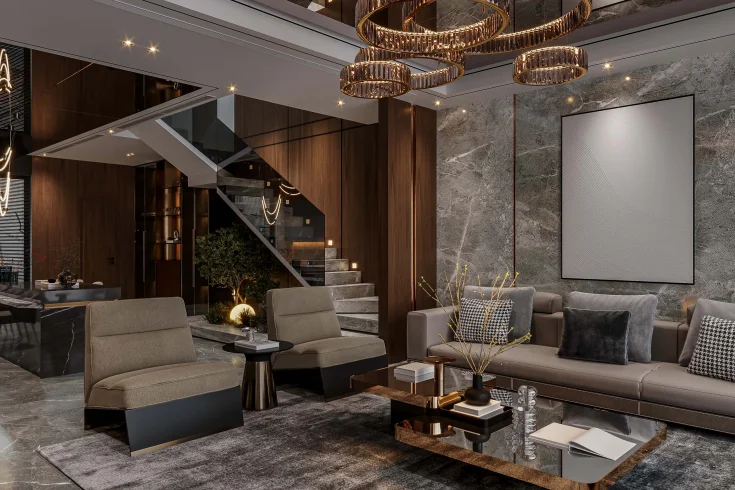
Designing a living room is all about balancing personalized style with comfort and creating a functional space with purpose. A living room upgrade to give it a current look doesn’t need big changes or spending tons of money. Evolving a living space design includes updates to key elements such as textiles, furniture arrangement, wall design, flooring, and more.
Being the heart of a home, a living area design profoundly impacts daily life, well being, and property value. To achieve a layered feel, cozy ambiance, and purposeful additions, we have put together living room design ideas to create a space with an ideal layout, functional furniture, and elegant decor. Before we dig further into the living room planning checklist, let us guide you with living room design.
What is Living Room Design?
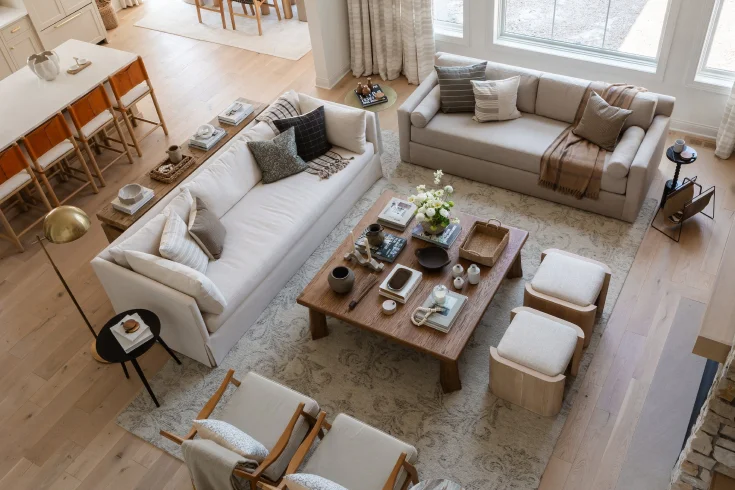
A living room design is the intentional planning, arrangement, and upgrading of an interior with multi purpose elements that blend personal style, comfort, and functionality. For designing a perfect living room, focus on creating a cohesive environment, deciding the furniture placement, embracing the best color palettes, and integrating smart lighting.
Besides, textiles enhance comfort and support social interaction and relaxation for daily activities. In designing, functionality and layout, style and aesthetic, color and texture, and incorporating personal items like family photos, art, and heirlooms to reflect individual personality are included.
What are the Core Principles of Living Room Design?
The core designing idea for a living room revolves around layouts, proportions, traffic flow, and balanced themes and aesthetics.
Balance and Proportion
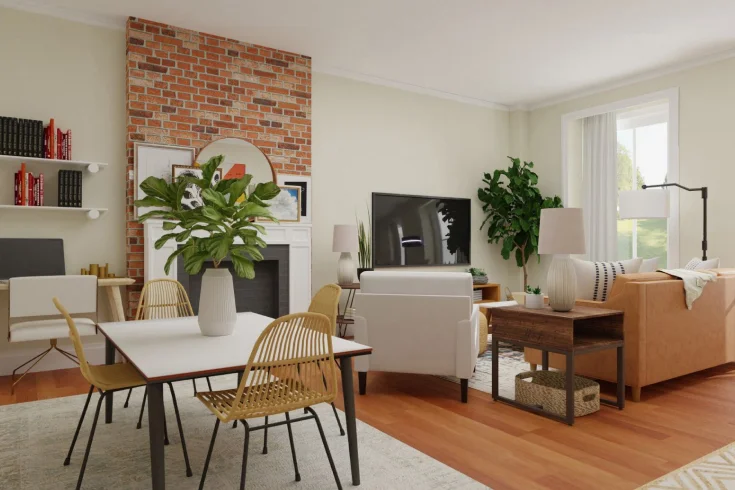
Living room layout planning is entirely based on the room proportions. To create visual harmony, achieving balance and proportion in the living room is crucial. With the perfect furniture alignment per room dimensions, the goal of a comfortable space can be created. Keep in mind avoiding crowding and chaos while utilizing the space purposefully for ideal symmetry and balance.
Focal Point Creation
Work living room focal point ideas after identifying the room’s natural anchor, like a large window, fireplace, or any accent wall that defines the space. Always prefer a space that faces the entrance to grab attention and enhance the area with furniture arrangements to complement it using colors, textures, and symmetry. Elevate the fireplace or mantel with bold paint, decorative tiling, or by hanging a mirror. Additionally, frame windows with elegant curtains, and use shiplap, wallpapers, or wooden panels on walls.
Traffic Flow
Living room furniture arrangement directly impacts the traffic flow by allowing space for clear pathways. Keep a walking space of at least 3–42 inches that anchors seating away from high traffic zones. Soften corners using round tables, and use floating furniture for open concept living room designs that avoid blocking doorways and boost accessibility.
Lighting Layers
Layered living room lighting design flawlessly creates a flexible and cozy atmosphere. For a layering effect, use task, ambient, and other accent light sources. Try mounting lights at different heights, like high, mid, and low, for the ceiling, walls/ tables, and floors, respectively. Use at least 5-10 fixtures per room for overheads, reading, and for aesthetic purposes.
Color Harmony
Talking about living room color schemes, try pairing analogous, monochromatic, and complementary color schemes. Combining balanced neutrals like grey, cream, and beige with pops of color like coral, emerald, and navy, and warm tones like wood, olive green, and browns creates the most inviting space.
How to Design a Living Room Step by Step?
For living room interior design, a lot goes into consideration, like defining layout, choosing a focal point, and layering functional furniture with personal style. Here are some living room design examples for every homeowner to begin with.
Assessing Space
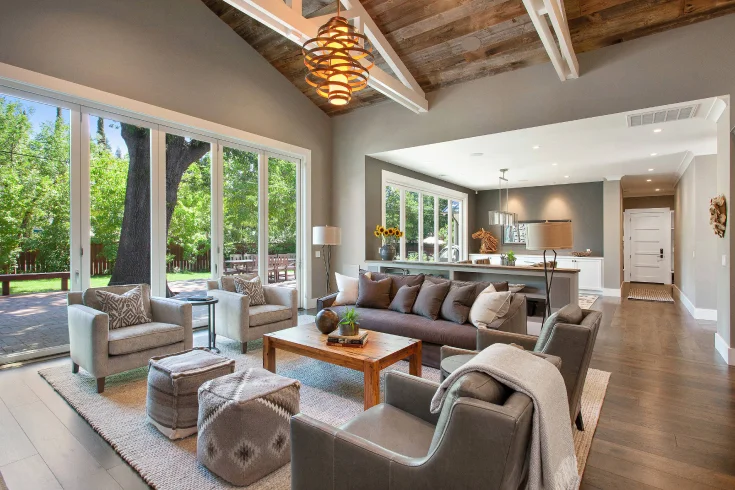
Space assessment and measurement are the first steps towards creating the best living room traffic flow. Consider room dimensions, walkways, and windows to prevent overcrowding. Use masking tape on the floor for layout visualization.
Choosing a Layout
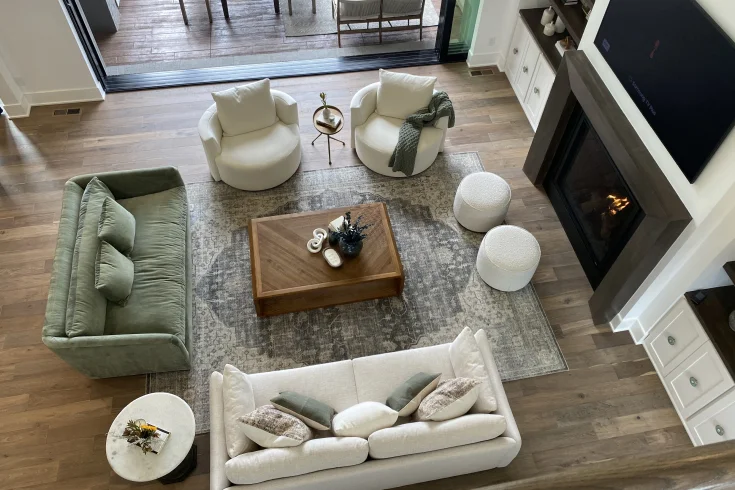
Consider how you will use the room when choosing a desired layout that aligns with every possible scenario of relaxing, entertainment, and watching TV. After creating a mood board for interior design living room space optimization, see how each and every element interacts.
Selecting Furniture
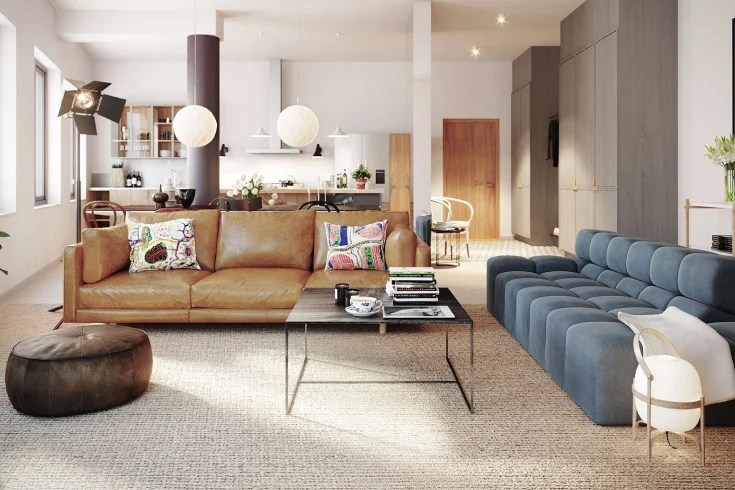
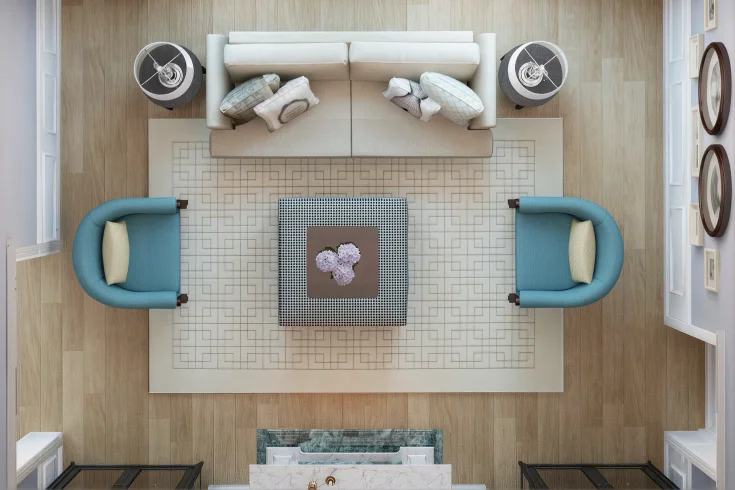
Next up in the living room proportions guide is furniture selection and arrangement. For alignment, place the sofa and main chairs first and then position the table opposite the focal point to create a proper conversational group. Aim for 30 to 36 inches of walking space between furniture.
Adding Lighting
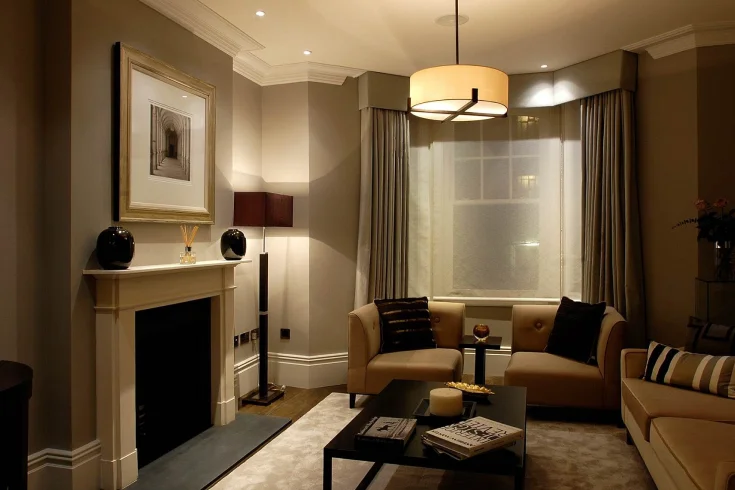
For living room balance and contrast, lighting contributes mainly after wall paint, allowing you to layer different options from sconces, chandeliers, floor lamps, or overhead fixtures. Lighting reflects perfectly to enhance the ambiance and space visualization.
Styling And Finishing Touches
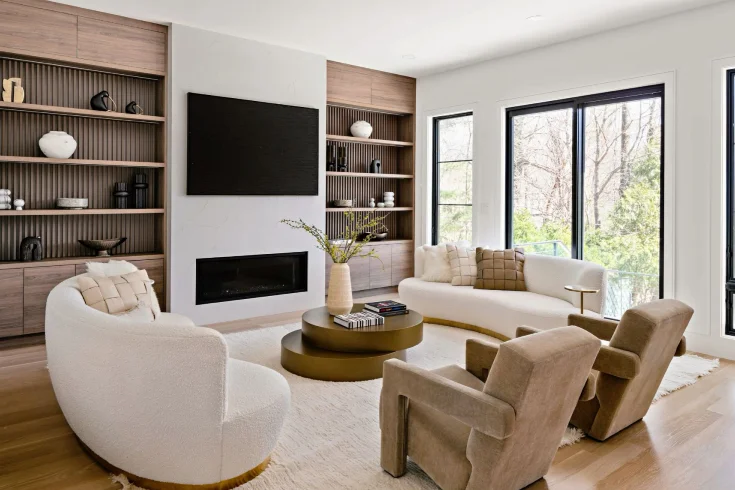
Other living room styling tips are secondary furniture, art, decor, and layering textures. Go for window curtains, blinds, pillows, shelves, couches, and living room rugs that add softness, color, and comfort. As a finishing touch, add wall art that reflects your style and personality.
Living Room Layout Ideas and Space Planning
Living room design for different spaces demands distinct layouts that establish clear focal points and leave space for major walkways based on the available space. For living room decor inspiration, check layout and space tips.
Open Concept Layouts
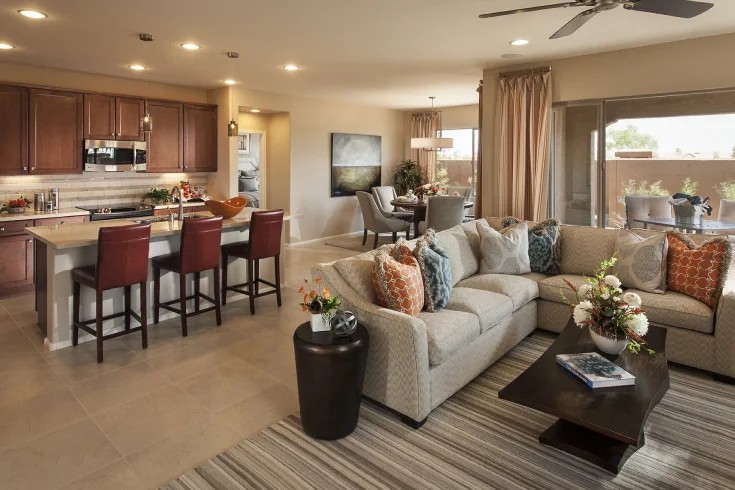
Open concept living room layouts are perfect for functionality and style, creating different zones using furniture and area rugs for seating and a conversational zone. For open living-dining rooms, divide the space with a proper table and chair set.
Symmetrical Vs. Asymmetrical
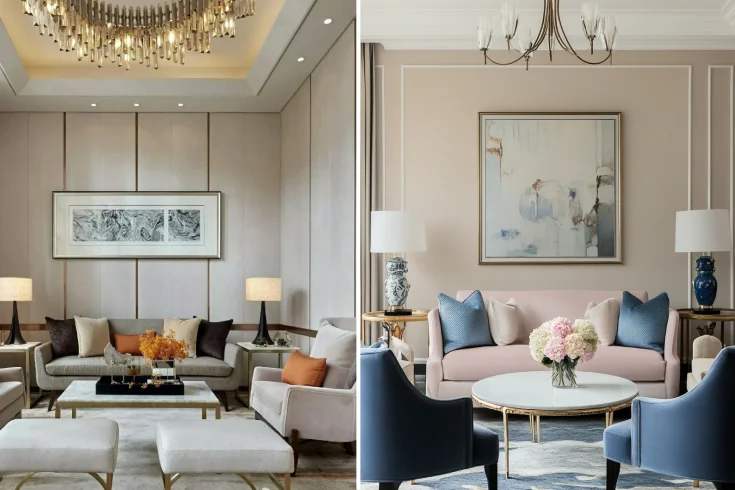
Symmetrical layouts work on organized layouts, mirrors, calming effects, and formal design, while asymmetrical ones have uneven and contrasting elements for a cozy and modern feel. Choose a living room symmetry design for smaller rooms and asymmetry for casual and functional spaces.
Small Living Room Design
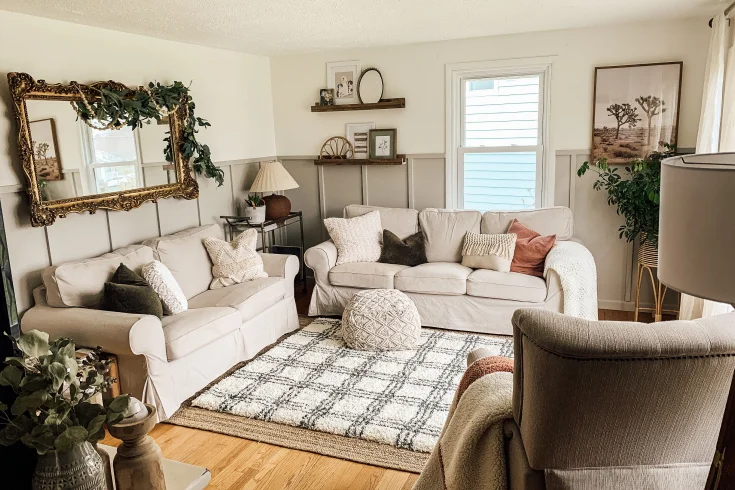
For small living room decor, create a cozy corner using a sectional or a stylish sofa and pair it with two armchairs that are perfectly arranged in a U shape to encourage interaction. Besides, pick wall mounted TVs, add vertical storage, and keep enough space for walkways.
Large Living Room Zoning
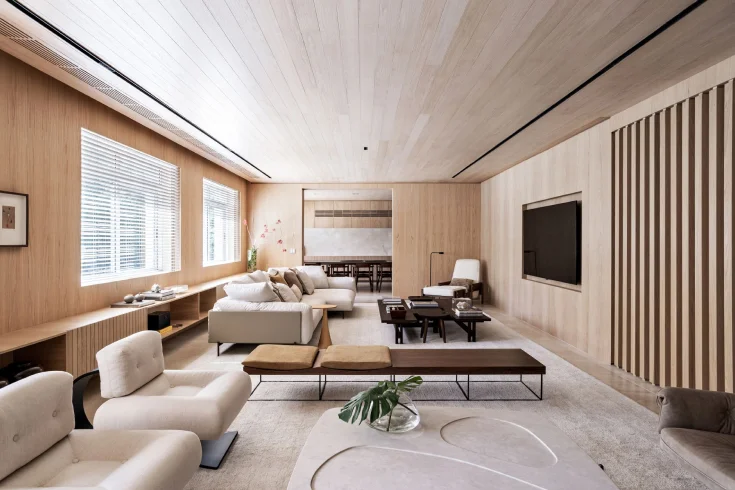
When it comes to zoning out a large living space, break the expansive area into a cozy and functional one. Create cozy sections using rugs, lighting, and furniture to create a conversational, intimate, and multi purpose space. Keep furniture away from walls, separate zones through rugs, and use bookcases and screens to create partitions as a part of the living room texture layering.
Apartment Living Room Design
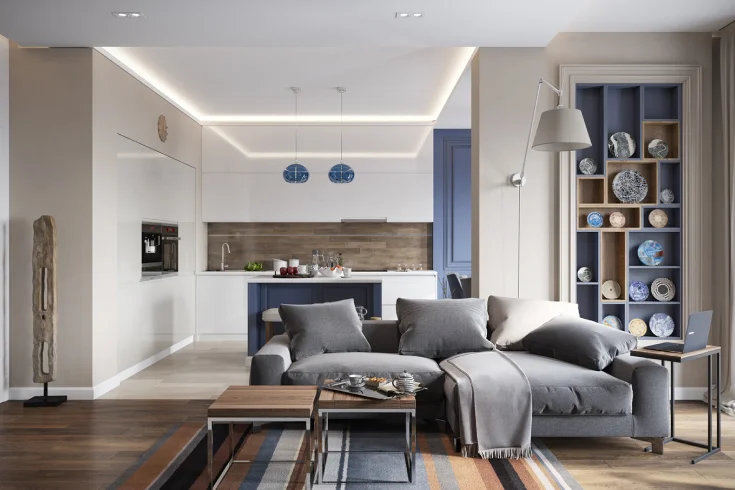
Apartments are the exception to deciding the layout for living room functionality and comfort. Use floating furniture away from walls to create flow and maximize apartment space. Invest in storage ottomans and zone areas using rugs. Consider the use of sectionals for space partition for open layouts and apartment friendly multi functional furniture.
Popular Living Room Design Styles
Now, AI living room design allows you to instantly redesign spaces by uploading existing photos and converting them into any of the modern, minimal, or bohemian styles. While AI eases your planning, there’s a lot to consider for renovating a space.
Modern
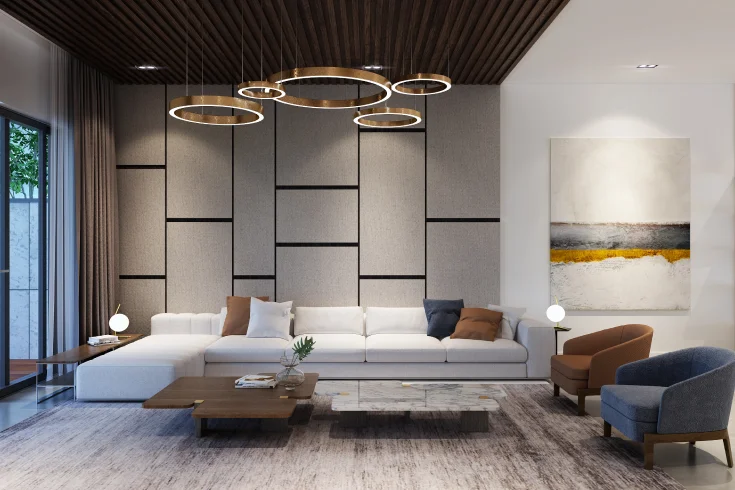
Modern living room design features neutral palettes, clean lined furniture, luxurious soft fabrics, and minimal or functional elements. Try incorporating materials like jute, wool, and rattan to add warmth, texture, and depth; add curved furniture; integrate smart home gadgets; and layer lighting for a modern design for living room.
Contemporary
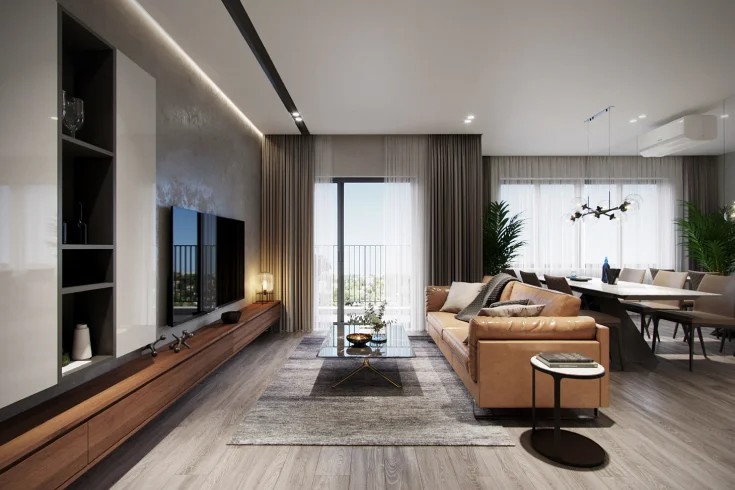
For real home transformations, choose a contemporary design that is defined by a sense of sophistication and simplicity, highlighting architectural space rather than cluttered items. As contemporary living room design constantly evolves with current trends, the base stands with earthy tones like blends of caramel, moss green, butter yellow, and brown.
Minimalist
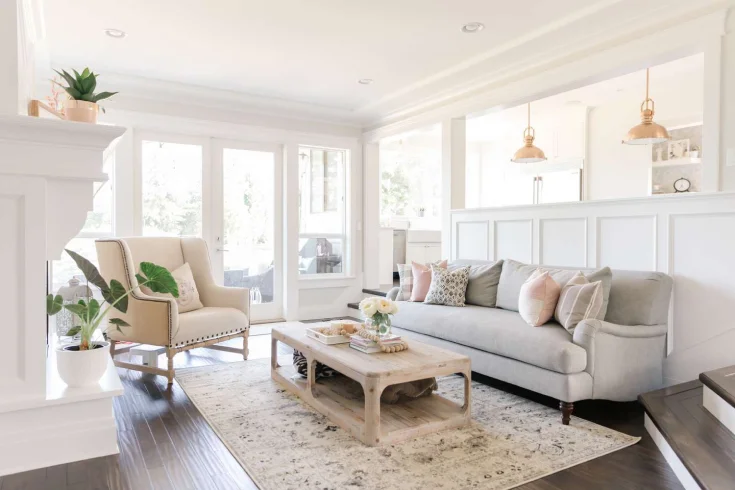
Minimalism is all about timeless decor, a tranquil color palette, and furniture additions that optimize space and reduce clutter. For minimalist living room design, choose white, beige, and grey palettes that maximize space and light. Hidden storage, multifunctional furniture, and the addition of textures over color for character and depth complete a minimalist look.
Scandinavian
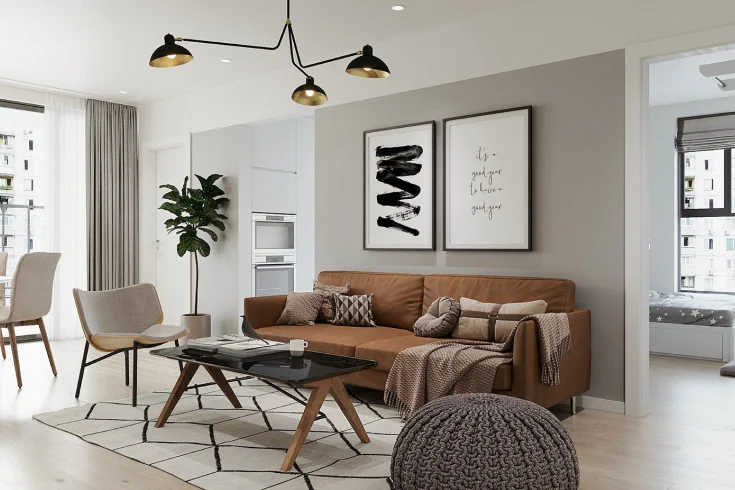
Often termed as hygge, the Scandinavian design living room focuses on warmth and functional aesthetics. It utilizes natural light, natural textures, wood, and a cozy vibe with an abundance of natural light. With live plants, linen textiles, and simple decor, a calm and uncluttered space can be created.
Coastal
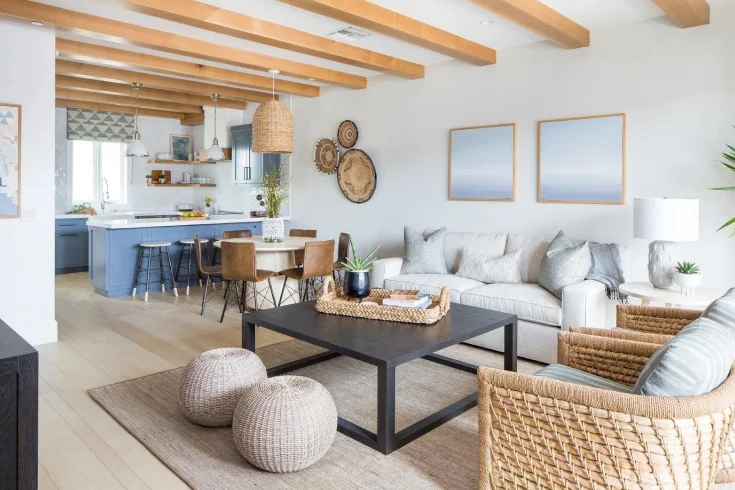
Coastal living room designs are defined entirely by their light and airy atmosphere and beachy hues like whites, blues, sand, and seafoam green. Talking about coastal aesthetics, it relies on layered textures, farmhouse furniture styles, and keeping everything to a minimum. Try keeping it airy with curtains and maximizing brightness naturally through large windows.
Rustic
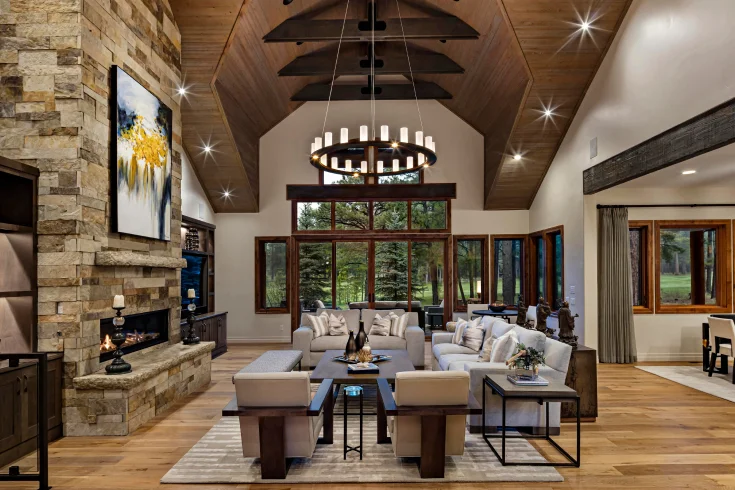
Cozy, natural, and grounded vibes are all for rustic living room design ideas that focus on highlighting natural and raw materials with organic textures and styles. Complete the look with earthy tones, fireplaces, exposed wooden beams, leather furniture, jute rugs, or wool fabrics, creating a warm and timeless lived in space.
Farmhouse
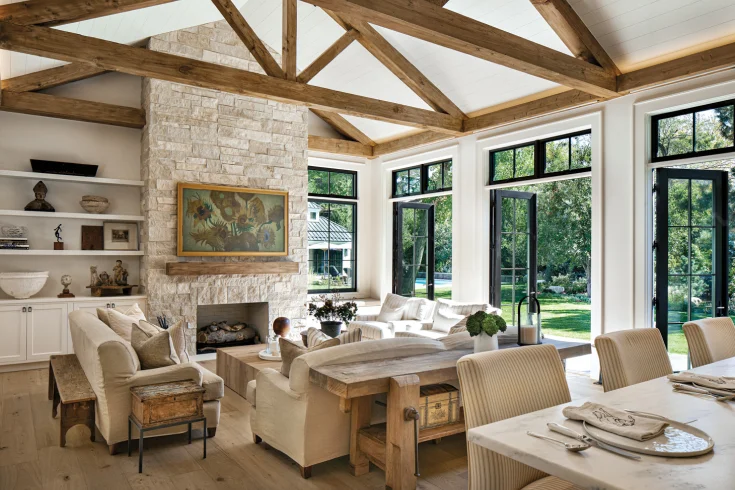
For living room comfort and aesthetics, a country or farmhouse design is another great choice that blends functional and natural materials with neutral, cozy, and lived in elements. Enhance living room interior design with reclaimed wood furniture, shiplap walls, exposed wood beams, large stone fireplaces, and a neutral color palette with cozy textiles. Use antique style fixtures for lights, and favor a lot of natural light for a charming look.
Traditional
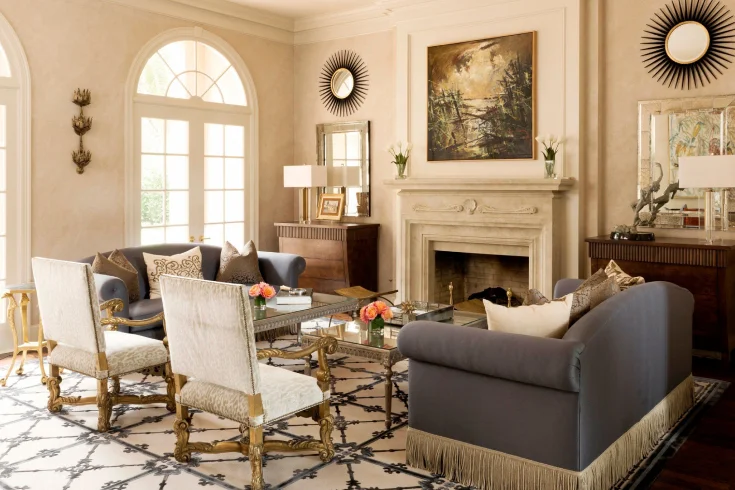
Known for its timeless feel and comforting atmosphere, symmetry, and formal look, traditional living room design is characterized by rich color tones. With luxury textiles, hardwood furniture, architectural moldings, vintage fixtures, and centred focal points like fireplaces and conversational zones, traditional designs create harmony.
Industrial
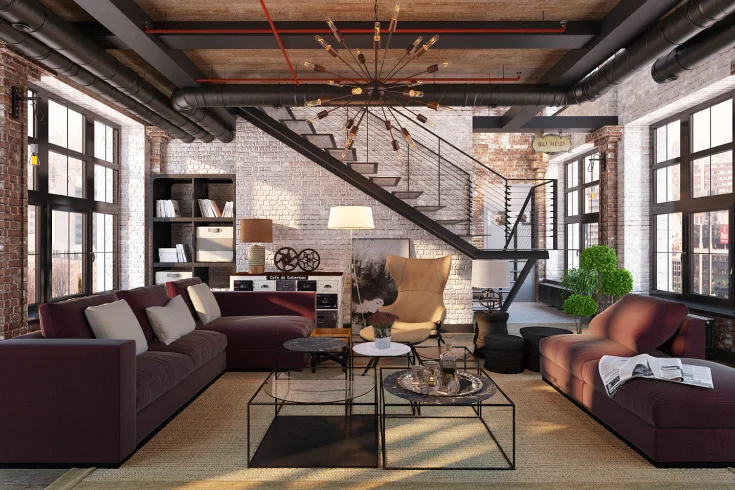
Popular and characterized by raw and unfinished textures that expose brick walls, visible ducts, concrete walls and flooring, metal accents, and open shelving. It also blends factory inspired minimal aesthetics through blends of neutral and dark color palettes, and vintage furniture to add a serene and spacious touch.
Bohemian
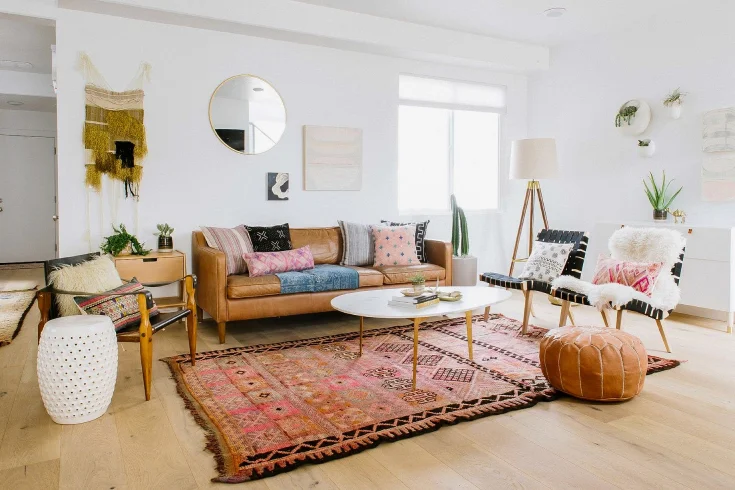
Embrace boho design ideas for living room to bring a relaxed aesthetic that focuses on layering, comfort, and personal expression. Warm tones, natural materials, diverse textures, abundant plants, and other handcrafted decorative items. Add a mix of vintage and global inspired elements, patterns, and prints like geometric and Moroccan.
Luxury
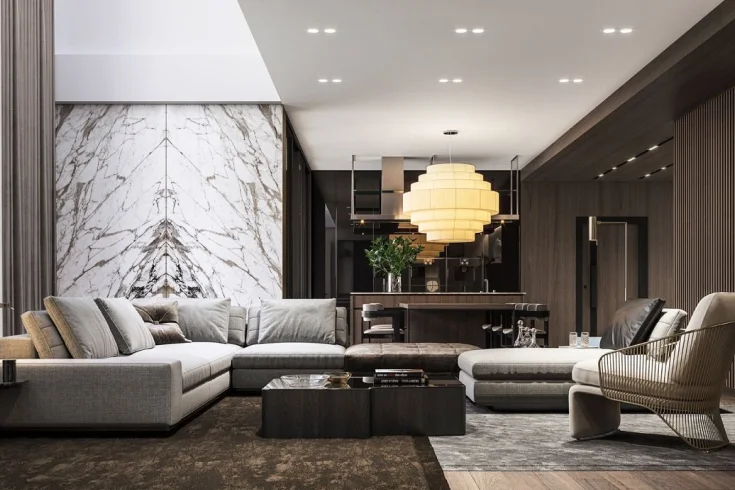
Defined by the blend of bespoke furniture, premium materials, and custom lighting, luxury living room design adds a sophisticated touch and creates a comfortable space to live in. Through custom craftsmanship, architectural details, smart technology, work on marble accents, hardwood flooring, and cashmere, velvet, or silk textiles. Moreover, focus on luxury curtains, floor polishing, layered rugs, highlighted artwork, and the addition of antiques and sculptures that demonstrate personalized aesthetics.
Cozy
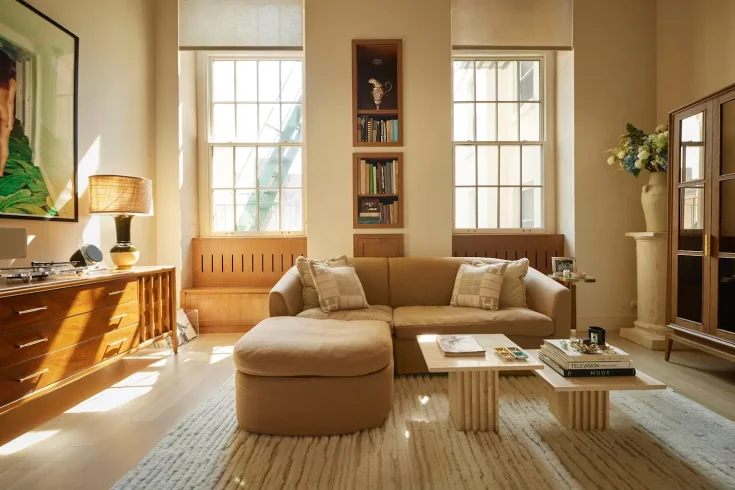
Add plush textiles, soft lighting, intimate furniture, and use a soft color palette entirely to create small cozy living rooms. Try layering upholstery through textiles like wool and velvet, and flooring through plush rugs and carpets. Additionally, add dimmable lighting and floor lamps to create an inviting ambiance and a serene space.
Living Room Furniture Selection and Arrangement Ideas
Wondering how to choose living room furniture? And what to consider for living room design process? We’ve got your back. Selecting and arranging furniture requires styling and functional balance. For selection, consider functionality, measure space, check proportions and scale, prioritize comfort, and invest in multi purpose pieces. Now, let’s talk about how you will arrange essential living room furniture components.
Sofa Placement
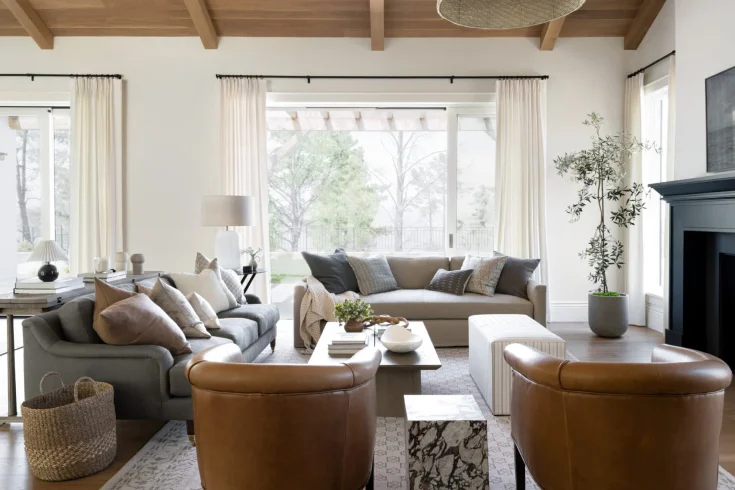
The sofa is the first piece to consider for living room seating arrangement. Place the main sofa across the focal point, keeping at least 6 to 8 inches from the wall to prevent a cramped feel. Preferably arrange the living room sofa placement around the TV, fireplace, or window.
Coffee Tables
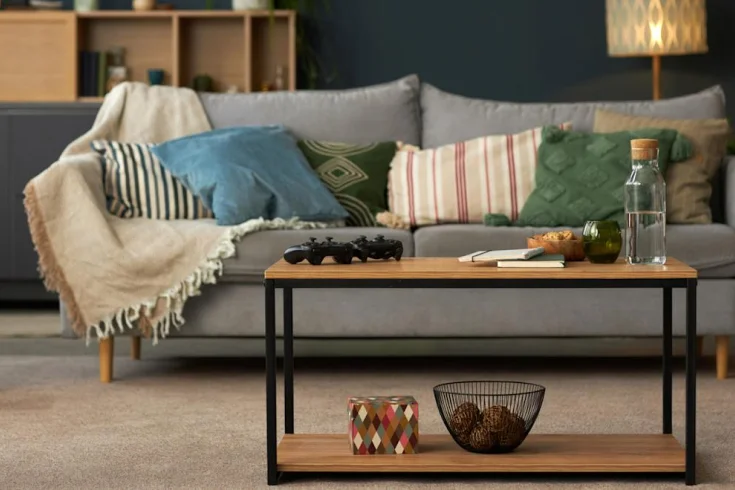
Distance the coffee table at least 14 to 18 inches from the sofa to create a partitioned or separate seating zone. Keeping it away makes it easy to make drinks accessible without trapping your legs. Get the coffee table roughly the same height as the sofa cushions for a balanced look.
Accent Chairs
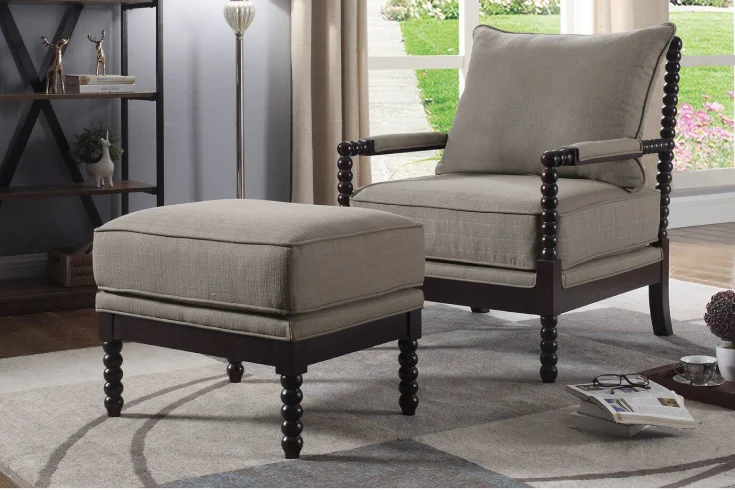
To balance functionality, style, and conversation point, place these accent chairs opposite the sofa for symmetry. Also, you can anchor cozy chairs for living room in a corner nook of the living space for a cozy feel or near the fireplace to serve as a focal point.
TV Positioning
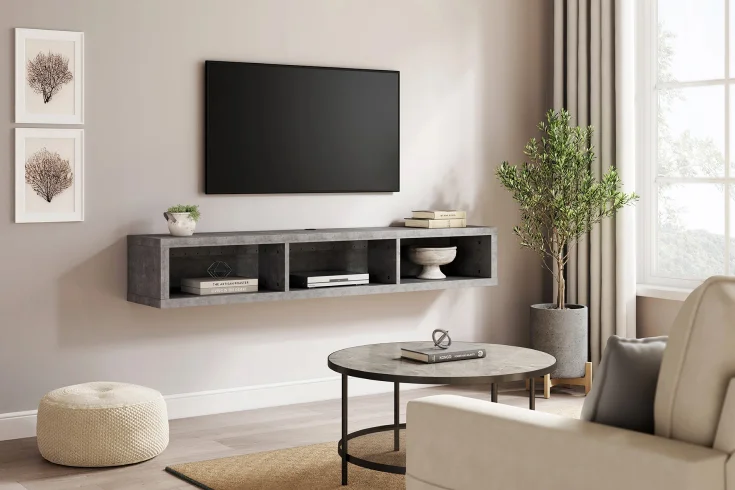
The screen should be roughly 1.5 to 2.5 times away from the seating as per the screen’s diagonal measurement. You can align the TV on the accent wall above a fireplace or side walls with a separate seating arrangement to create a proper TV and media wall with the TV positioned at eye level.
Rug Placement
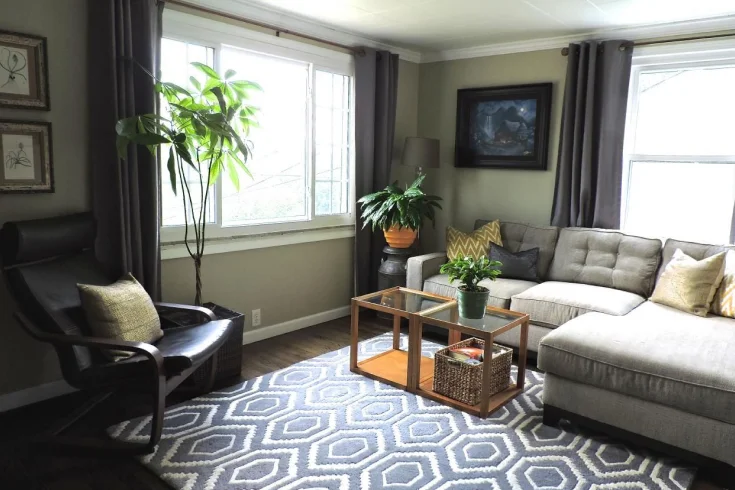
Living room rug placement doesn’t need to be strategic, but careful. Ideally, place the front legs of the sofa or accent chairs on the rug for a well proportioned, cohesive, and comfortable space. Standard practice for rug placement is to have the rug border exposed for at least 12 to 18 inches. Go for “all on” in large rooms and “front legs” for medium rooms.
Lighting Ideas in Living Room Design
Versatility in living rooms can be added by combining lighting through overhead fixtures, task focused lamps, and accent lighting for atmosphere. Install dimmable recessed lighting and floor lamps to brighten corners.
Ambient Lighting
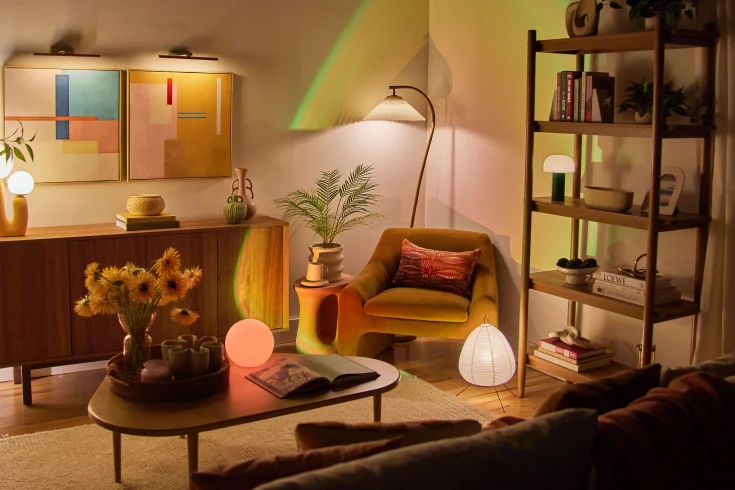
Ambient lighting acts as the primary and soft source for illuminating a space and creating a warm and welcoming atmosphere, while removing dark corners. For ambient lighting, recessed spotlights, dimmable ceiling fixtures, and thoughtfully placed lamps are a great choice to offer a non glaring glow and go perfectly with country living room design ideas.
Task Lighting
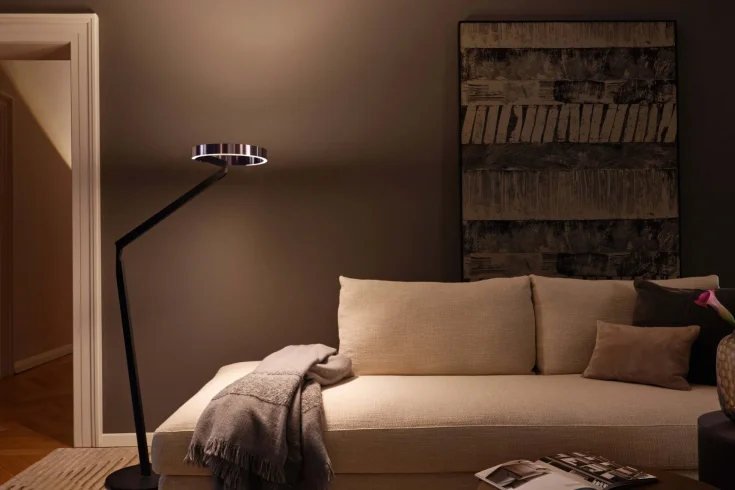
Purposeful task lighting in living room provides intense illumination for specific activities like working, reading, and crafting, and usually requires brighter and more direct light compared to ambient lighting. For task lighting, essential fixtures are swing arm wall sconces, adjustable floor lamps, and table lamps that are placed at eye level to minimize eye strain.
Accent Lighting
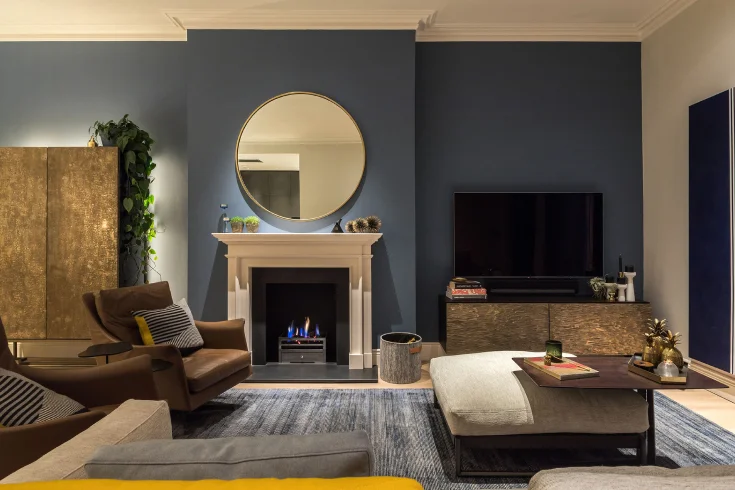
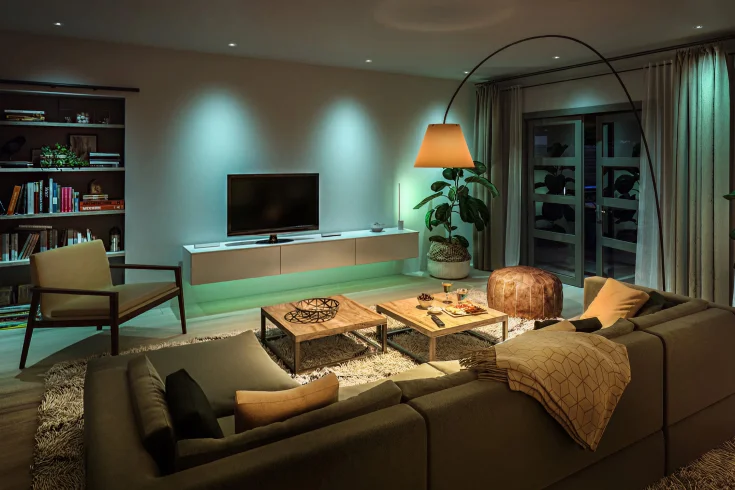
Accent lighting in living room highlights features like shelves, artwork, and architectural details that often combine focused and ambient light. The ideas for these lights are LED strips behind shelving, wall molding, wall sconces, smart bulbs, and spotlights for artwork in customizable colors.
Natural Light
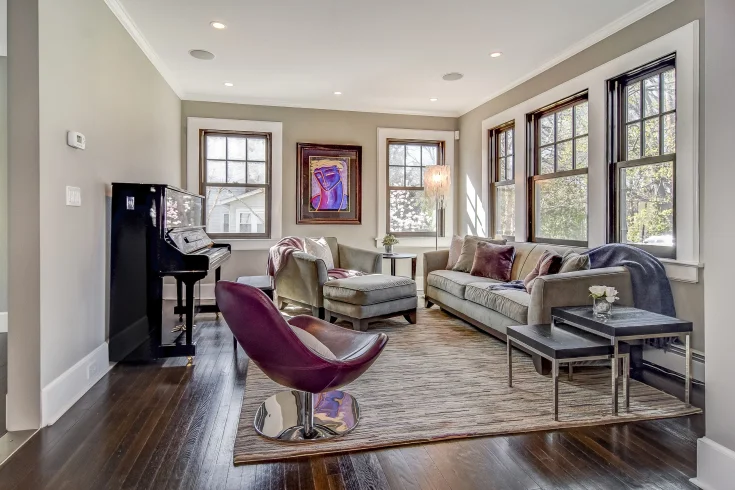
For natural light maximization, place mirrors opposite windows for light reflection, install sheer curtains, hang duplex blinds, or paint walls with light, bright, and reflective paint tones. Other creative ideas are using glossy finishes, glass doors, skylights, and keeping windows unobstructed with low profile furniture and optimized layouts.
If you want a quick makeover for the living room Christmas decorations, get inspiration through our designer approved ideas.
Wall, Ceiling, and Fireplace Design Ideas for Living Rooms
To create a high impact and cohesive space, pair floor to ceiling designs, fireplace modifications, and living room wall decor ideas.
Accent Walls
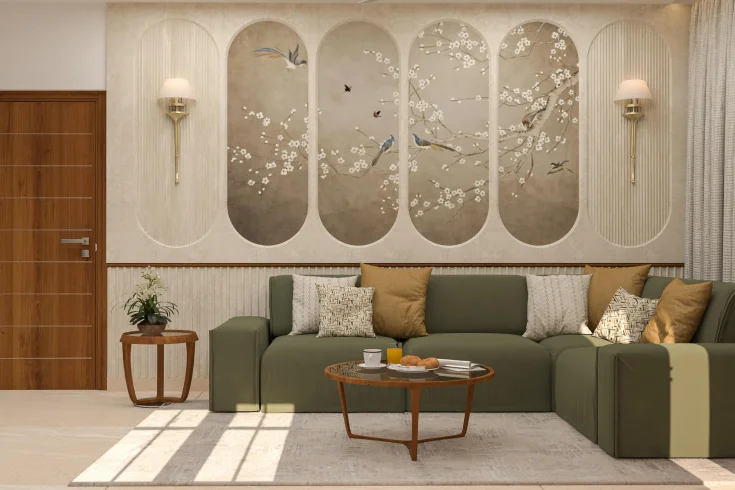
Transform your living rooms with a stunning accent wall by installing a bold wallpaper, patterned paint, wooden panel, or textured materials addition like shiplap and textured paint. Moreover, styling with stones, geometric molding, peel and stick murals, and a gallery wall of art can be used for temporary updates as living room accent wall ideas.
TV Wall Designs
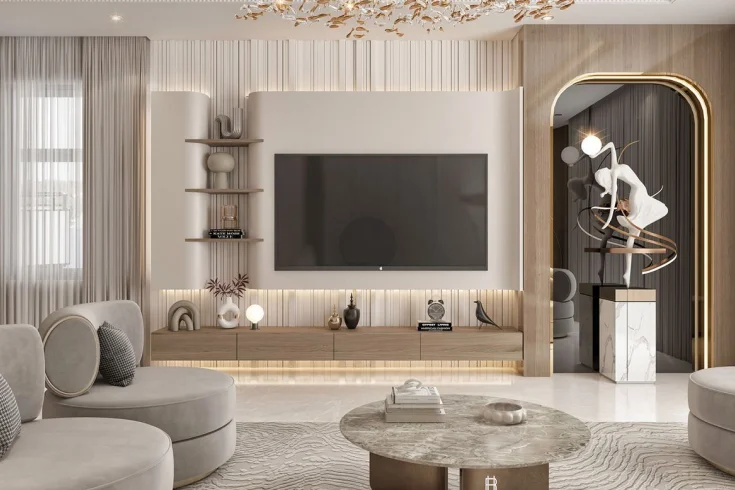
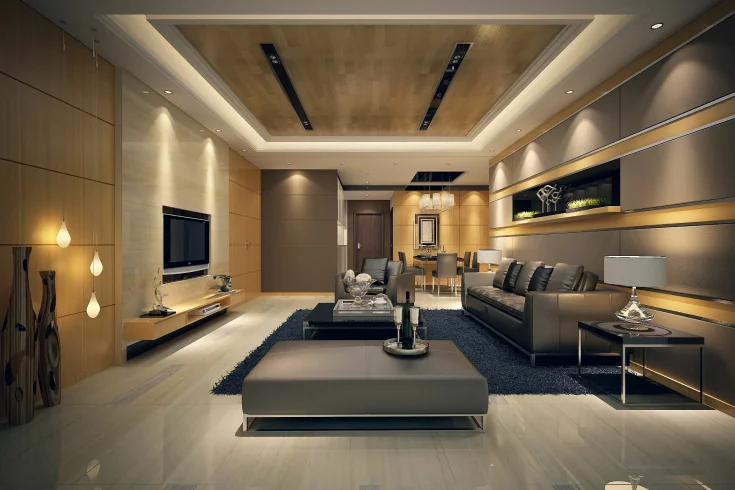
Elevate your living room wall design with a stylish and functional TV by using features like built in shelving, slat panels, and a floating console. Also, a seamless look can be created with moody dark paint colors, stone textures, and framing the TV with art to ensure the central and properly integrated design feature.
Ceiling Treatments
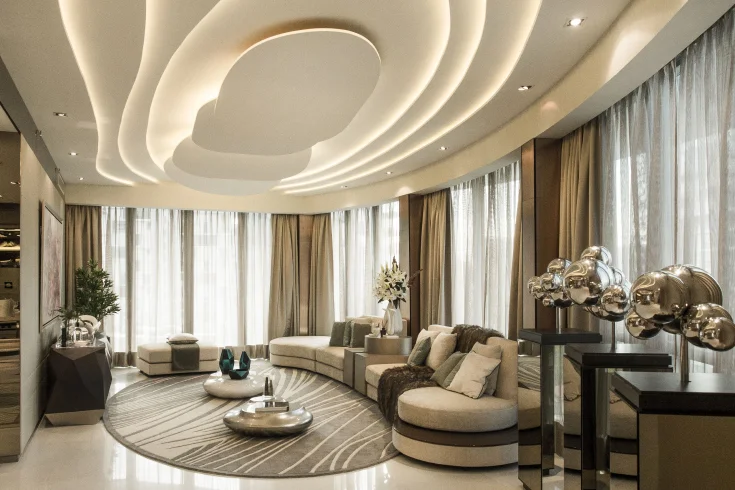
Enhance your living room by treating the ceiling as a fifth wall by using design elements like coffered panels, exposed wood beams, and dramatic paint colors. Living room ceiling design can be enhanced by adding texture through beadboard, shiplap, applying wallpaper, and adding crown molding for style and elegance.
Fireplace Focal Points
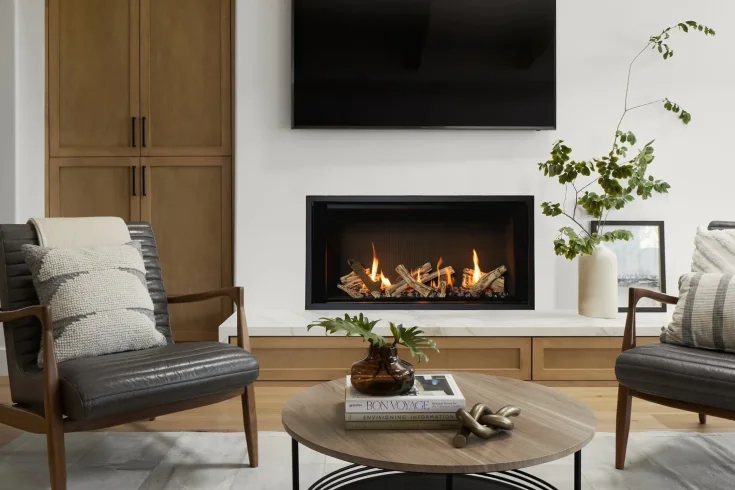
Changes in the surroundings of the existing fireplace design can add a dramatic impact. The living room fireplace design can be enhanced with dark, dramatic paint and floor to ceiling tiles. Also, add character through artwork, built in shelves, and layered decorative objects.
Living Room Color Schemes and Decor Ideas
When it comes to living room theme ideas, neutral to bold and a mix of dramatic ombre tones are available to choose from. Each tone can be beautifully paired for warm to cozy living room color inspiration.
Neutral Palettes
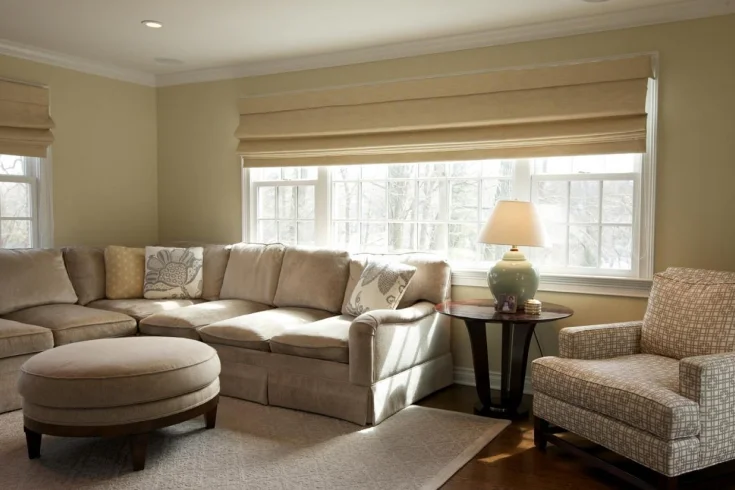
Timeless neutral cozy warm beige living rooms have always topped the list due to their timeless elegance. Some other natural tones are light green, blue, grey, pink, pastel, and white living rooms that are well suited for modern spaces.
Bold Accents
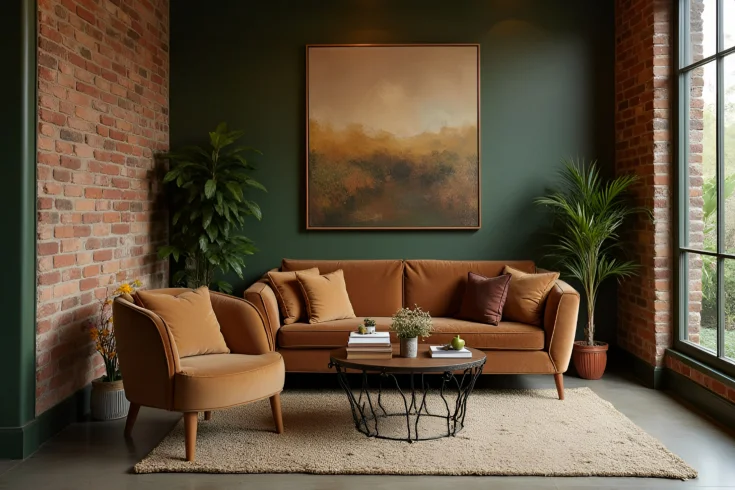
For dark, cozy living rooms, choose bold tones like black, dark brown, charcoal grey, deep navy, and emerald tones that add a cocooning effect to a room. To avoid a shallow and flat feel, pair it with gold lighting fixtures and plush velvet furniture for maximum elegance.
Texture Layering
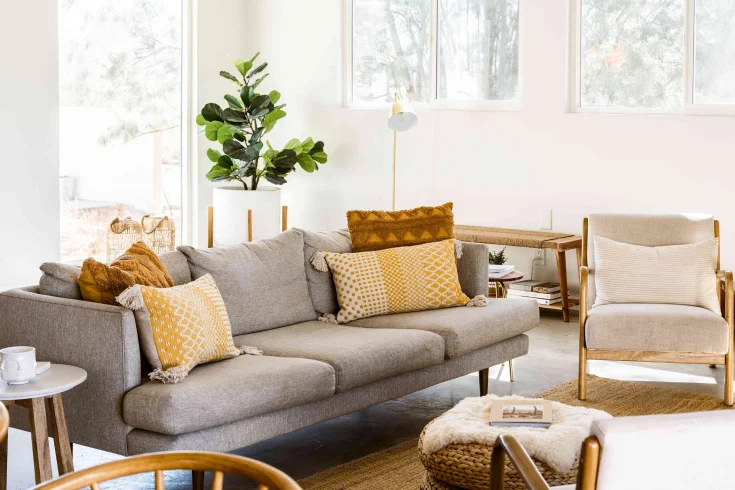
When it comes to layering textures, go for boucle upholstery, thick rugs, and layered pillows that add depth. Other living room design decor ideas are using muted and neutral color schemes that bring an airy aesthetic to a space.
Art and Accessories
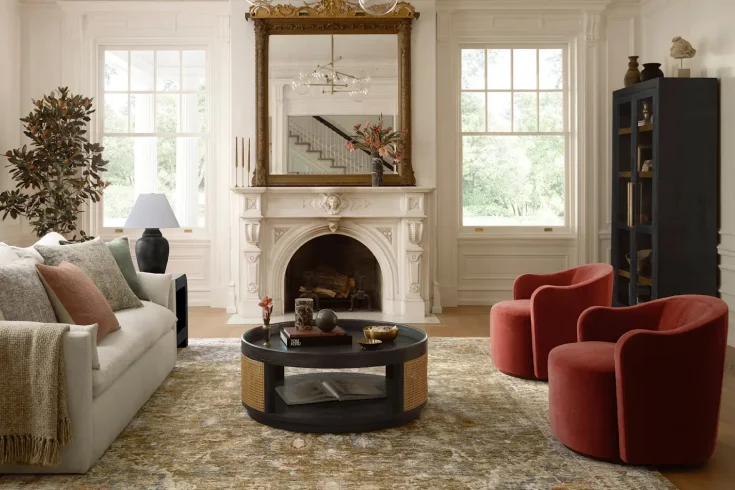
Go with textured accessories like cushions, chunky throws, indoor plants, and large-scale art or gallery walls. Other trends include hanging ornate mirrors, abstract prints, displaying functional decor, and adding biophilic designs with plants.
Get ideas about designing a living room to create an interior that goes a long way, ensuring the living room remains accessible for guests of all ages.
What are Living Room Design Trends 2026?
Living room design trends in 2026 are all about sustainability, comfort, and personal expressions through styling, mismatched furniture, curved shapes, and warm or earthy tones. For spectacular makeovers, we are helping you out with some trendy living room renovation ideas, allowing you to create perfectly matched spaces to your lifestyle.
Curtains
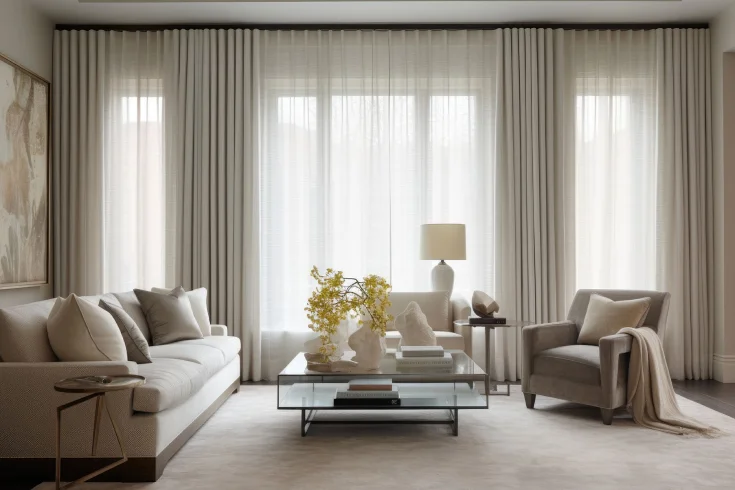
Sophisticated layering, absolute comfort, and sustainable fabrics are trending for window curtains. Choose from linen, cotton, velvet, blackout, and sheer living room curtain designs and fabrications for maximum light, privacy, and insulation. For convenience, get motorized curtains that can be remotely operated.
Blinds
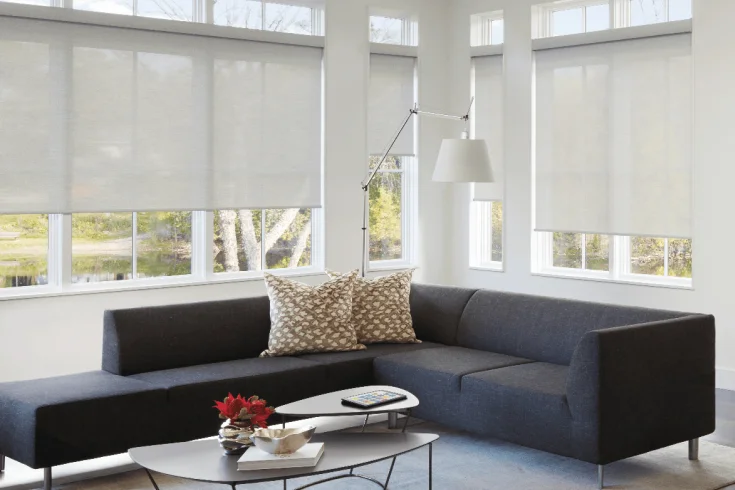
Living room blind trends are all about smart and automated functionality, natural textures, and warmth. Go for eco friendly linen and bamboo materials with warm and neutral tones, and layered styles that combine blinds with curtains. Prefer motorized blinds that come with app control, voice activation, and energy saving automation.
Rugs and Carpets
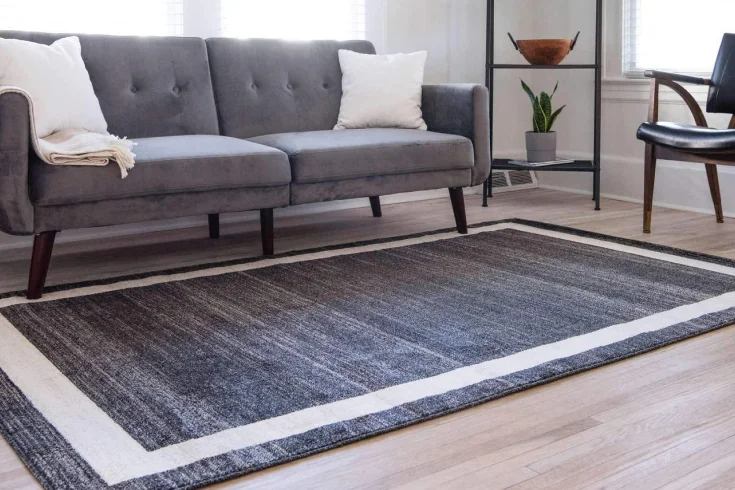
Living room rugs and carpet styles in trend have always featured features like comfort, sustainability, neutral colors, and plush textures. Prefer wool, shaggy, polyester, polyethylene, and sisal rugs in light hues. Keep patterns and textures light for a softer look.
Flooring
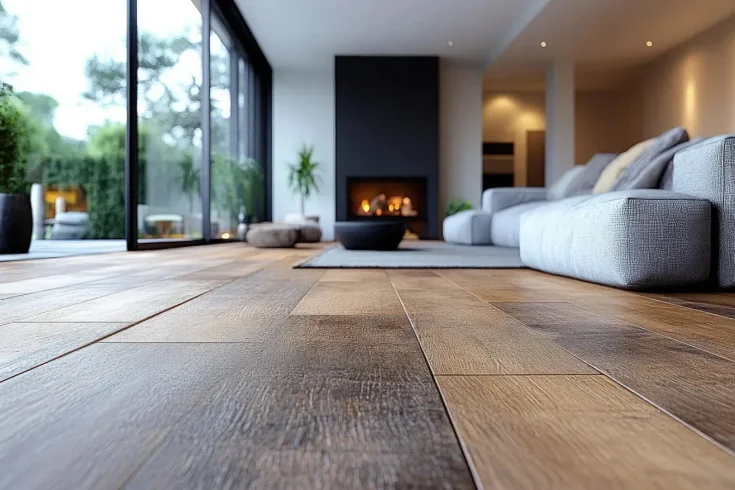
One of the most expensive living room makeover inspirations is flooring that adds a classy feel to a space. Choose from highly durable, aesthetic, and sustainable flooring options like luxury vinyl tile, hardwood, marble, laminate, porcelain, and ceramic to ensure a luxury and low maintenance living space.
Media & TV Unit
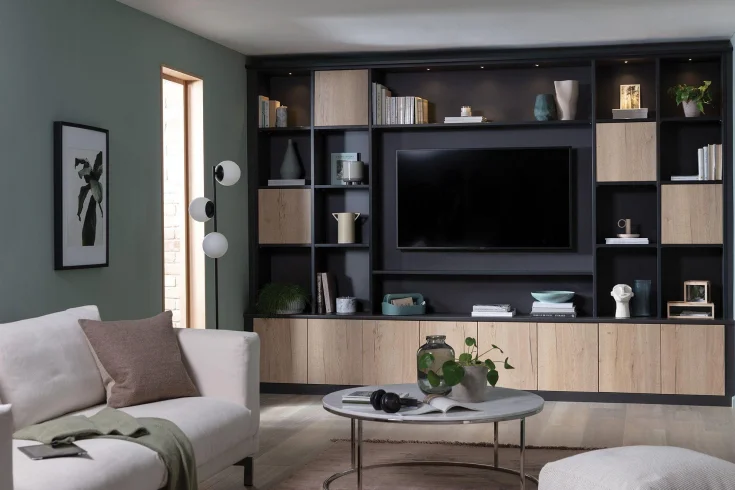
TV unit and media console are the functional anchor that serves as the dedicated entertainment zone to help keep gadgets, cords, and media collections organized. It not only balances smart storage and aesthetic appeal but also elevates the whole room design. Take care of clutter, cables, and safety when choosing and installing a TV unit to reduce visual chaos and maintain a structured look.
Console & Coffee Table
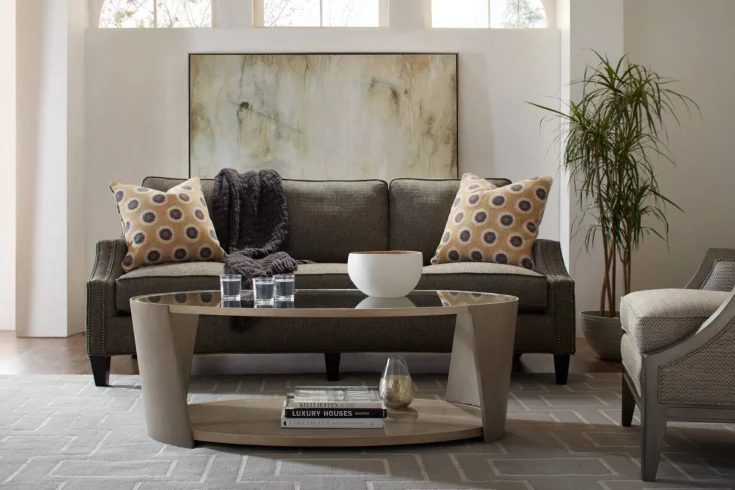
Coffee and console tables in living rooms are the design feature that equally adds to the aesthetics and functionality of any space. Coffee table for hospitality and console table for organization, both are versatile and space saving solutions for decoration. Together, both these elements enhance the room’s layout and living style.
Lighting
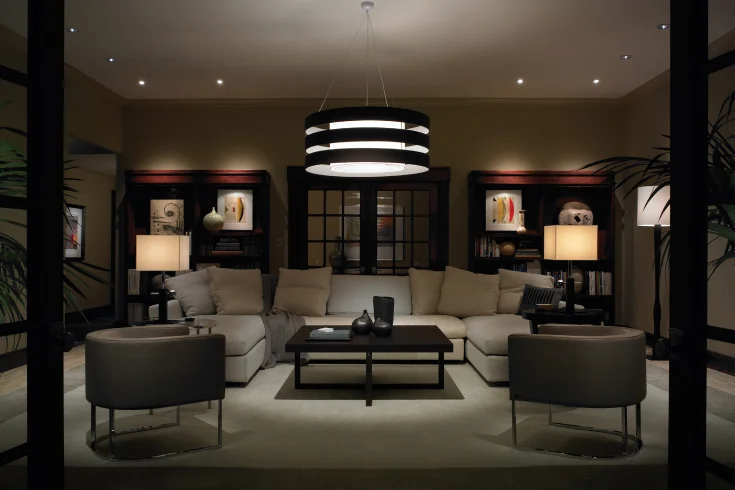
Lighting in living room is another central design element that could be called the jewelry of a home, as it improves the charm and ambiance of a room. Choose lighting that defines mood, adds personal relaxation, and highlights the architectural features of a room. Go for layered lighting stands with general, display, and task lights to add depth.
Sofas & Conversational Area
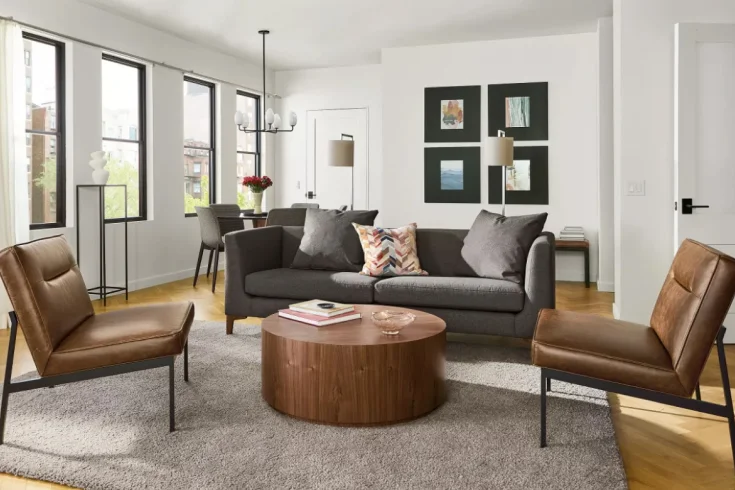
A social, conversational point is the ultimate part of living dining room design where you can chat, relax, dine, and spend quality time during the day. Get sectionals, featured deep seats, modular design, and rounded shapes to promote flexibility and coziness. Be careful in choosing the color and upholstery of the sofa based on the daily wear and tear in your room.
Fireplace
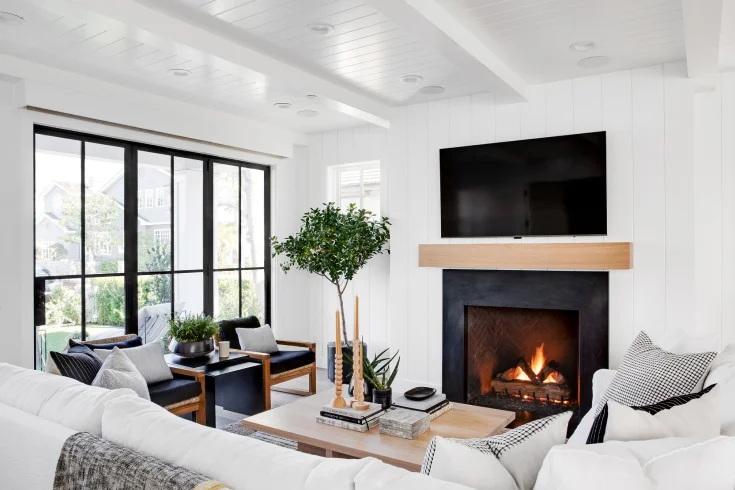
The fireplace in the current era has transitioned from an entirely functional heating source to an architectural feature with centralized importance for being a social hub of the home. It is the highly energy efficient and low maintenance choice that adds cozy luxury and balances comfort and sophisticated design by being the focal point of an interior design for living rooms.
Gaming Console
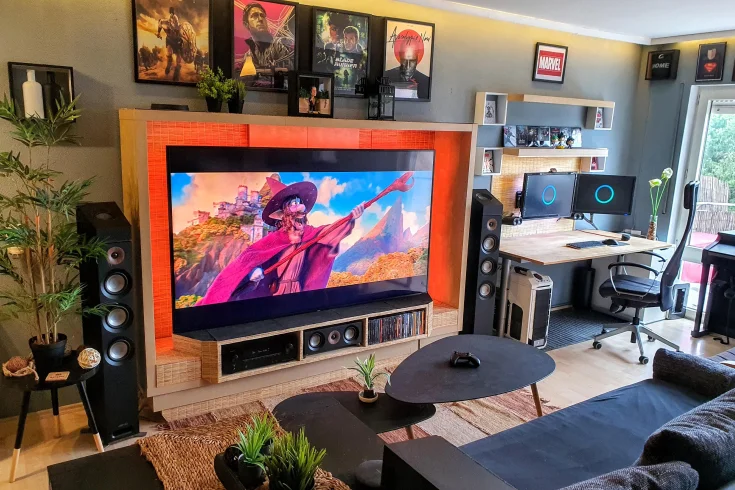
Integrating high performance technology into a space can make it aesthetically pleasing and highly adaptable. The trend moves away from cluttered setups to integrated ones through hidden consoles that are perfectly mounted and blended into custom furniture and media walls.
Throw Pillows & Cushions
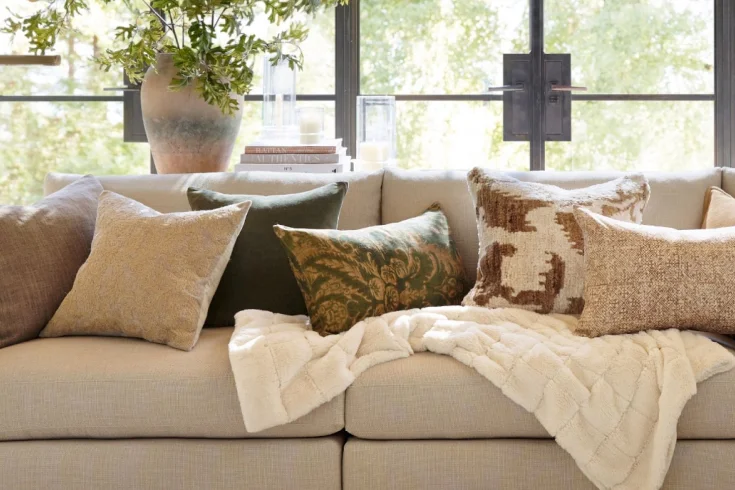
Comfort is the top priority in the coming times with the motto “less is more”. Adding cushions and pillows is an effortless way to add tactile luxury and comfort to your interior design. Choose comfy and durable materials, soft and unique shapes, and calming color palettes that add visual interest to a space.
Art Work
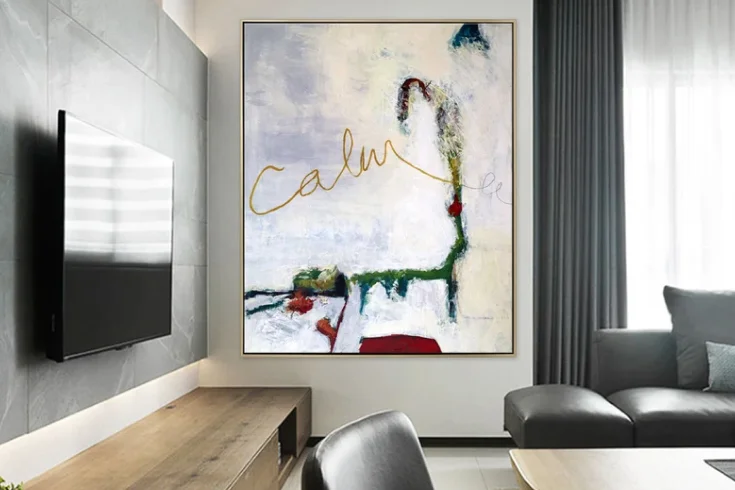
For your personal storytelling, go for oversized statement pieces with rich and tactile textures. Embrace natural landscaping, calming organic forms, and biophilic designs that give your spaces a dreamlike feeling with a perfectly imaginative touch, creating a personalized gallery wall that dominates.
Bookshelves & Storage
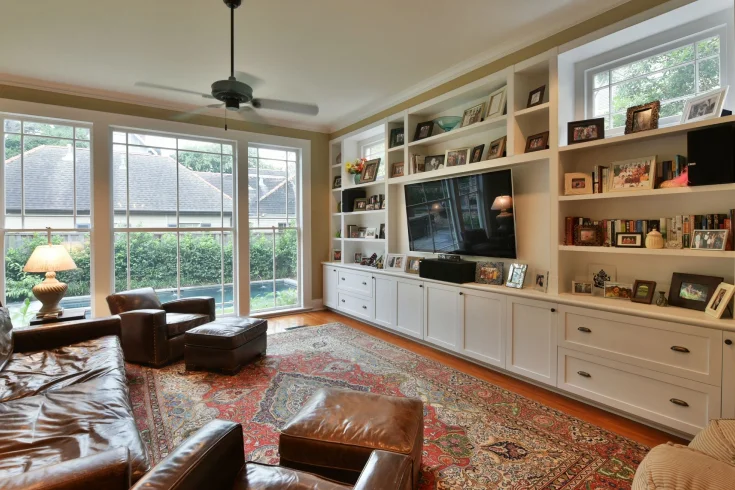
Interior designs for living rooms have bookshelves that evolve into architectural and high character focal points, away from minimalism towards personalized and maximal living room design. Use warm solid wood, integrated lighting, lacquer finishes, and multifunctional built ins that blend display with storage.
An architectural design improvement enhances the value of your property, serving as the unique selling point via thoughtful spatial flow and better quality of life.
Common Living Room Design Mistakes to Avoid
Based on home interior design living room, there are some mistakes to avoid.
Pushing Furniture Against Walls
Incorrect furniture scale, too much furniture, and sofas being pushed against the wall make a space uninviting and waste room. Instead of placing them against walls, incorporate them in the center against the fireplace to create functional and intimate conversational areas.
Blocking Flow
Furniture pieces like sofas, tables, and couches that block pathways to make a room feel cramped must not be entertained. Choose furniture according to the room’s dimensions and style, so it naturally leaves the ground space for movement and traffic flow.
Too Small Rugs
Rugs can be a soft feature in a room that adds a cozy and aesthetic vibe. Never add a rug that is too small to reach the furniture. Get one perfectly sized area rug that will at least reach the front legs of the anchored furniture, like a sofa, to ground the space.
Improper Lighting
Don’t kill the vibe by relying on a harsh, overhead, and high quality light that destroys atmosphere. Try layering lighting with floor lamps, table lamps, candles, string lights, and wall sconces for warmth.
Ignoring Empty Corners
Never leave dead corners empty to give any room a cold look; try filling the space with something useful and aesthetic. Try adding floor lamps, plants, and small accent chairs. Besides, add a lighting feature, functional furniture, and a personal decorative art piece.
Functionality Mistakes
Functionality in interior design holds equal importance to aesthetics. Poor layout choice, inadequate seating, and not adding smart accessories can break the look of your room. Also, try eliminating any component or feature that brings no impact.
TV Positioned Too High
Mounting a TV requires height consideration to avoid neck strain. If you mount a TV over a fireplace, it will be too high and uncomfortable for anyone to watch. Position the height at eye level when you are sitting for an unbothered watch.
Lack of Storage
Insufficient storage space can lead to clutter and a messy space that looks unappealing. Never neglect the space saving storage solutions that allow proper alignment and organization and help avoid unnecessary clutter.
Neglecting Windows
Window coverings play a crucial role in controlling light, privacy, and insulation. Be considerate about choosing between curtains and blinds for material and functionality. Don’t use heavy drapes that block natural light or hang them low, as it can make a room feel small and dull.
Never neglect universal design principles for open layouts and wide walkways between sofas and coffee tables to improve human performance, health, and social interaction.
Final Thoughts
So many elements contribute to upgrading a living room, and getting each of its components, design, and aesthetic perfect will inspire you to spend time perfectly. Starting with the infrastructure, there are flooring and paint colors to decide on that set the tone of the overall space. Next up, living room layout, furniture selection and arrangement, wall decor, window coverings, storage solutions, layering lighting, wall art, and greenery addition are what make a look complete. Other finishing touches and ornaments, like setting a cozy corner with cushions and rugs, can bring an undeniably beautiful feel to a space.